

The U.S. military plans to develop a fleet of small-scale refineries to produce critical minerals used to make bullets, armor and other types of weaponry, a move aimed at developing domestic sources for niche materials that Chinese miners have long controlled. The plans are being developed by the U.S. Army alongside the Idaho National Laboratory (INL) and antimony and gold miner Perpetua Resources with antimony being the first mineral the military aims to refine.
While the Army said it does not plan to produce large volumes of minerals for private use, the small-scale approach would allow access to a steady stream of these building blocks without relying on commercial refineries, which are often far larger and focused on bulk products, including copper and iron ore. If successful, Washington aims to develop refineries for other minerals as well, including tungsten, rare earths and boron, all of which are considered critical by the U.S. government. “We need to come up with a way to make our own (critical minerals) domestically that we can actually monitor and control within our borders,” said Mark Mezger, a munitions procurement advisor for the U.S. Army.
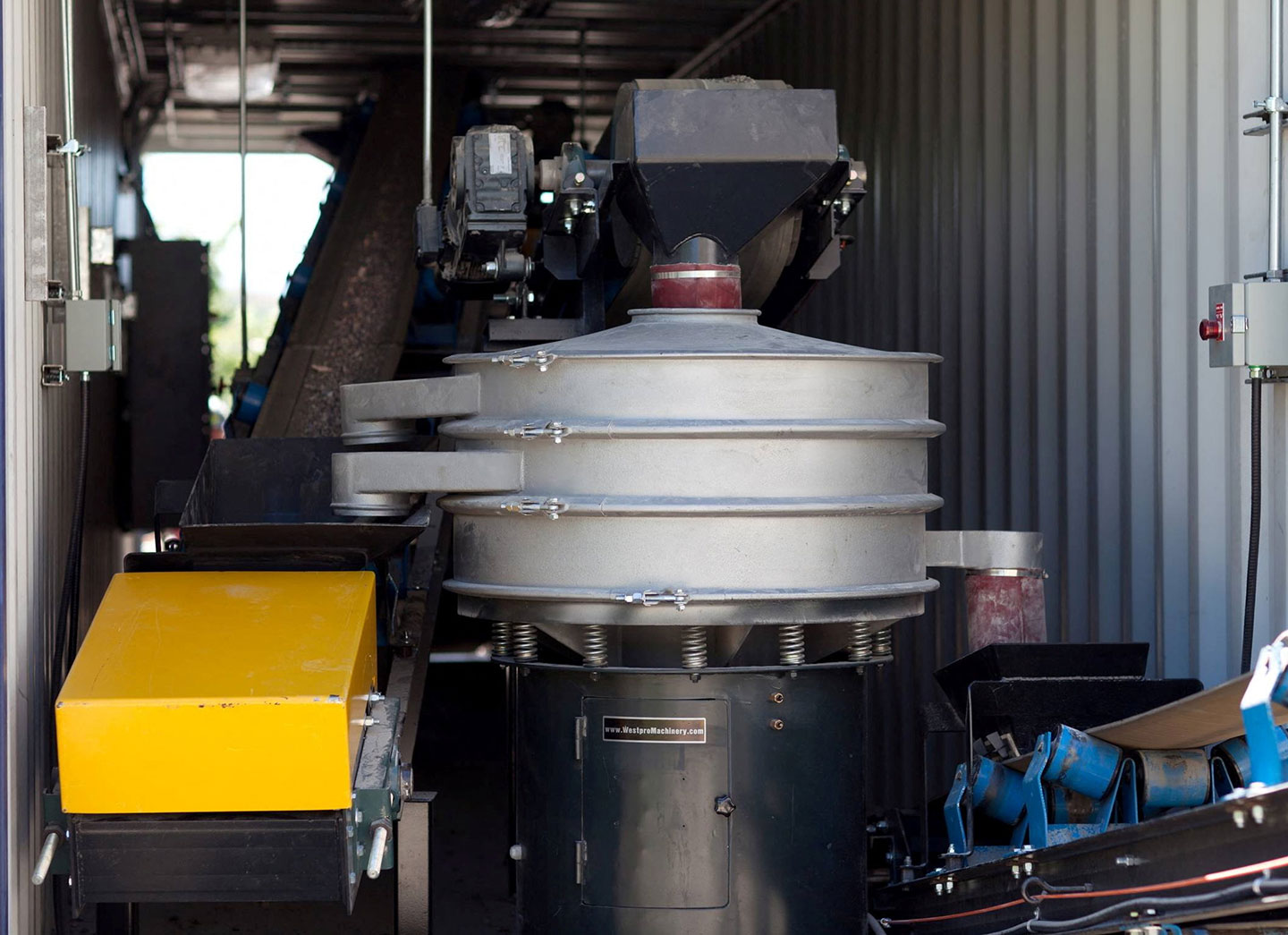
For antimony, the Army spent $30 million developing the refinery program over several years, with privately held Westpro Machinery designing a refinery that can be transported in four shipping containers. The refinery can produce 7 to 10 metric tons annually of a type of antimony known as trisulfide, far less than a commercial refinery would produce but enough to supply the Army during peacetime. Should a conflict break out, the Army can expand processing by adding additional minirefineries to process ore from Perpetua’s Idaho mine, Mezger said.
The Army is in talks with other U.S. antimony projects for additional sourcing, he added. Antimony trisulfide is used to make primers, the explosive cap at a bullet’s base. This version of antimony has not been produced in the U.S. since the 1960s. “Without antimony trisulfide, you can’t make primers. And without primers, you can’t make bullets. And an army without bullets is just a parade,” Mezger said.
The Idaho National Laboratory will test the facility for the next six months and, if it passes muster, will operate it for the Army and Perpetua, which is backed by JPMorgan Chase and billionaire investor John Paulson. Refineries for other minerals could be located on military bases or other government properties, officials said. The portable refinery will crush rock and perform other steps common to larger facilities. Different chemicals can be used in the process depending on the type of mineral being produced. Part of the INL’s involvement will be to verify the facility does not just mimic existing refinery standards and is cleaner and more efficient, officials said.
The Army discovered in 2021 that China had stopped shipping trisulfide, setting off a drawdown of the military’s one-year stockpile and a dash for alternative supplies in India and elsewhere. The refinery plan was born out of a realization that a domestic option was crucial, Mezger said.