

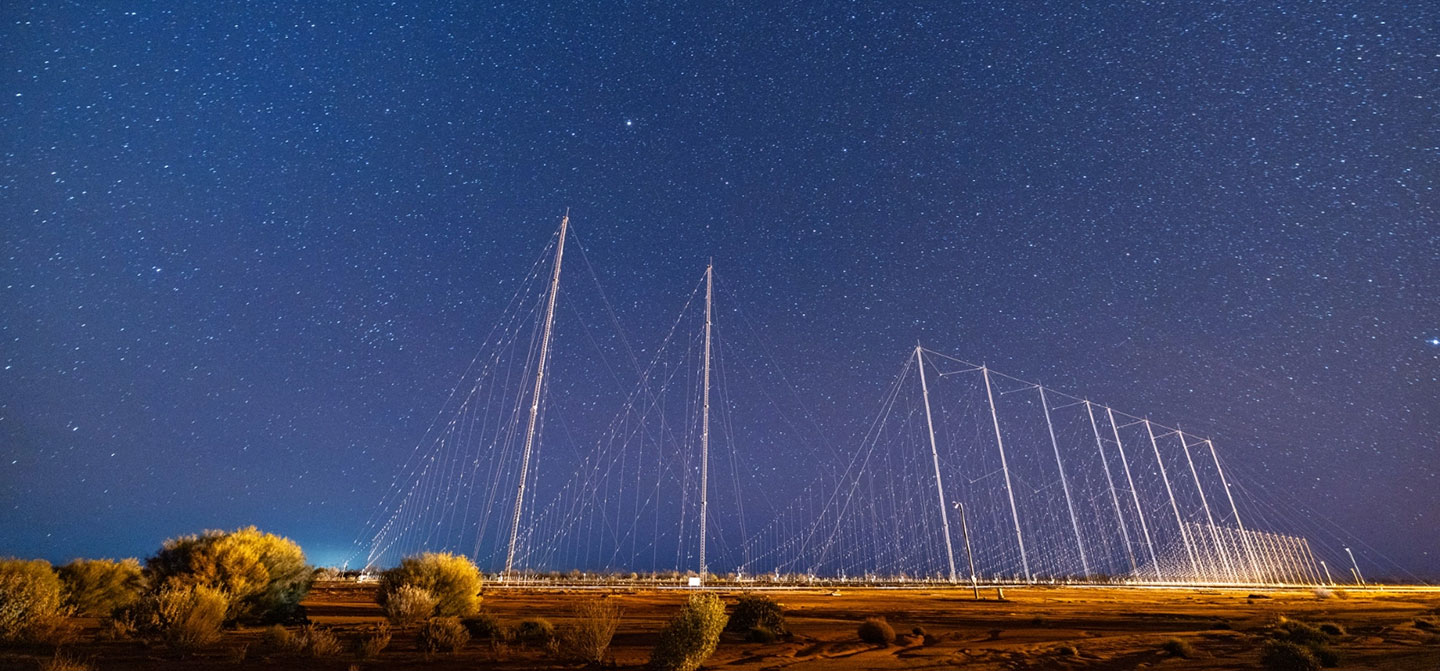
The Canadian government has chosen Stantec, a design and consulting company, and its consortium partners to deliver the first phase of the nation’s Arctic Over-the-Horizon Radar (A-OTHR) project, providing long-range, early-warning coverage of the continent’s northern regions. A-OTHR is part of an investment by Canada’s Department of National Defence in the next two decades to modernize and upgrade North American Aerospace Defense Command (NORAD) infrastructure, which detects, validates, and warns of aerospace and maritime threats.
Defence Construction Canada, which is wholly owned by the government, chose the Canadian companies to implement the plan under an integrated project delivery model, where Stantec leads project management and design, and Aecon and Pomerleau provide construction services. The program will establish a long-range surveillance radar network to monitor Arctic routes to major North American population centers, significantly expanding NORAD’s situational awareness of objects approaching and entering Canadian airspace from the north. NORAD, a mutual defense organization in Canada and the United States, is the world’s only binational command.
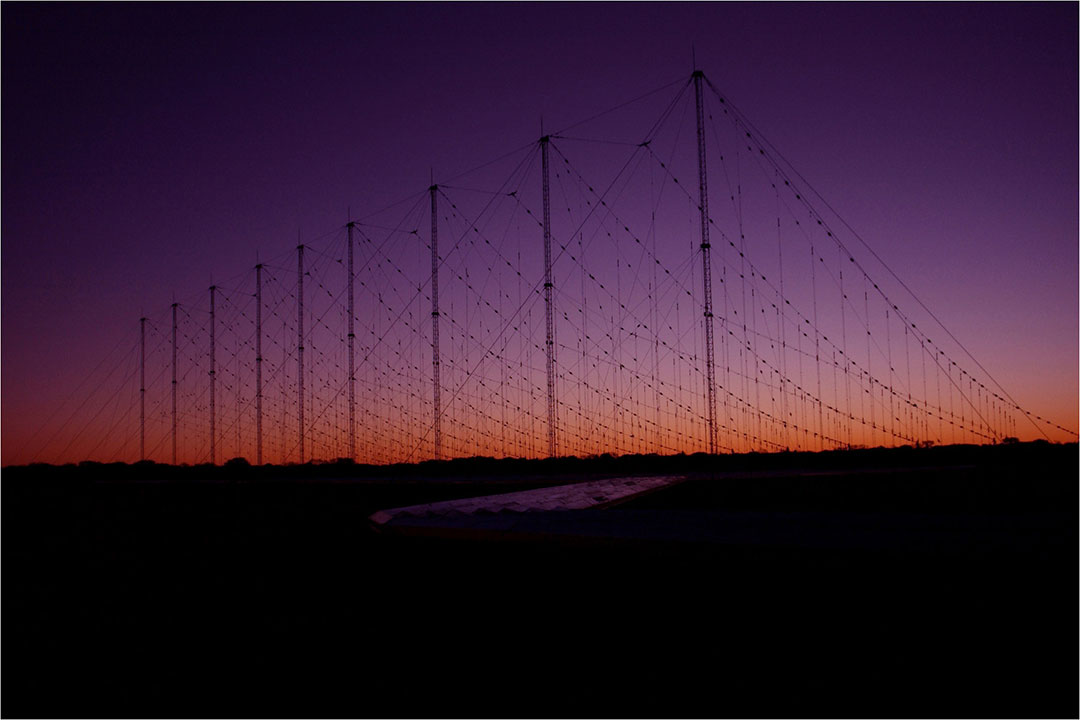
“We are honored to help advance NORAD’s modernization, drawing on our deep experience in delivering resilient, climate‑ready solutions across Canada,” said Gord Johnston, president and chief executive officer of Stantec. “Our long-standing partnership with Canada’s Department of National Defence reflects the trust built through decades of collaboration — and reinforces a shared commitment to strengthening the country’s critical infrastructure for generations to come.”
A-OTHR has much greater range as it bounces radar beams off the ionosphere to see around the curvature of Earth. It requires four sites to be fully operational: two transmitting sites and two receiving sites. It is expected to reach initial operational capability by the end of 2029.
Stantec’s functions will include project management, civil engineering, environmental compliance, architecture, construction engineering, electrical engineering, geotechnical engineering and landscape design. The project’s validation phase is starting soon. Construction will begin after the design development phase is complete.
In March 2025, Prime Minister Mark Carney revealed that Canada would partner with Australia to develop advanced A-OTHR technology based on Australia’s Jindalee Operational Radar Network. Carney also announced a larger and year-round Canadian Armed Forces presence in the Arctic at a cost of about $420 million.
In testimony before the Senate Armed Services Committee in February 2025, Gen. Gregory M. Guillot, commander of United States Northern Command (USNORTHCOM) and NORAD, said: “Defending North America is inherently linked to the ability of the Joint Force to operate effectively across the entire USNORTHCOM area of responsibility — to include the Arctic. … Arctic responsibilities are shared across multiple geographic and functional combatant commands, and as competition in the region increases, safeguarding Arctic access and freedom of maneuver will depend on Joint Force Arctic operational capabilities and build on the already strong ties between Arctic partners.”