

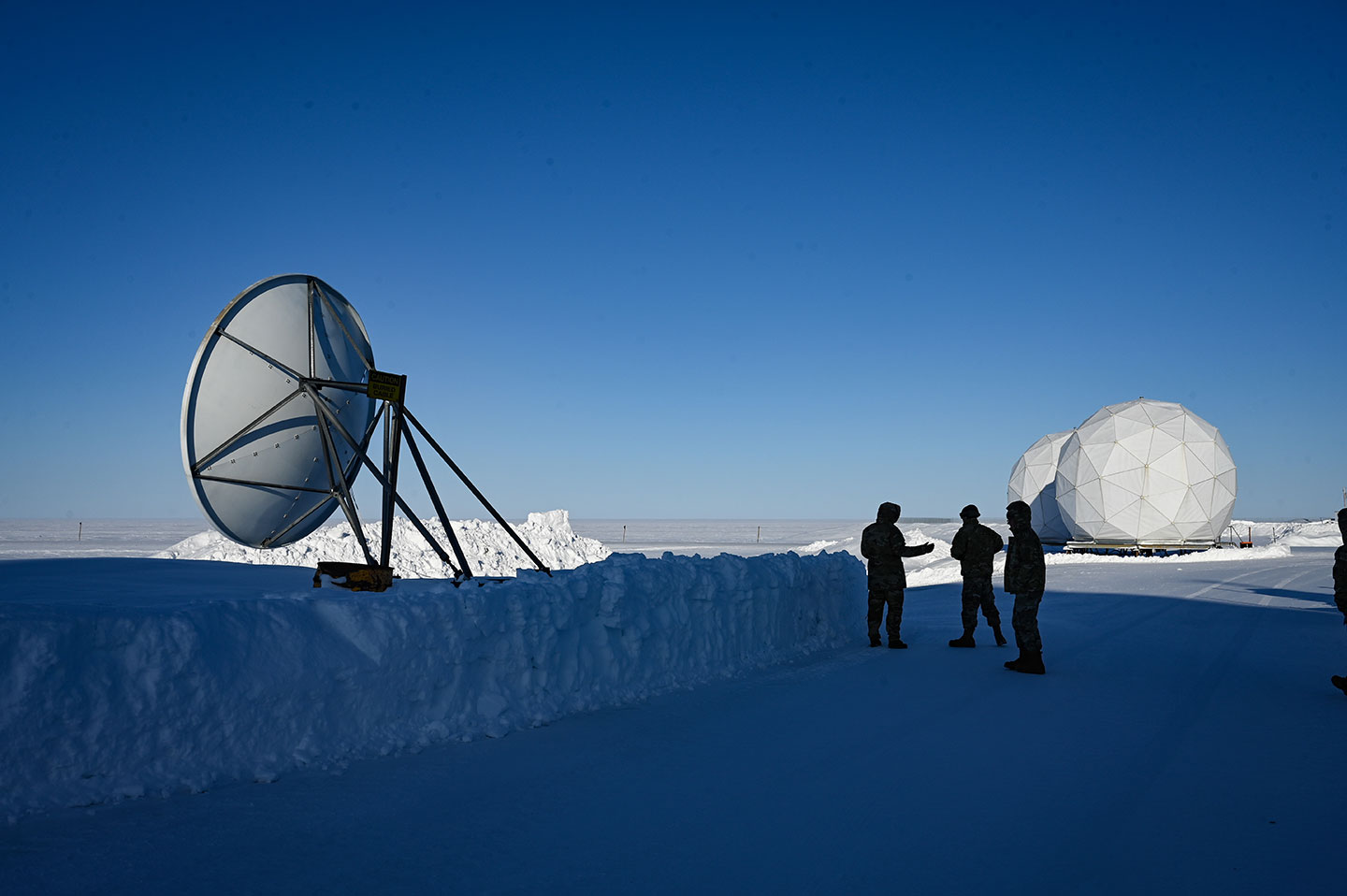
Canada’s government has teamed up with satellite operator Telesat and manufacturer MDA Space to explore options for a multibillion-dollar, multifrequency satellite communications network to support the Canadian Armed Forces (CAF) in the Arctic, which has become a strategic global zone. The partnership is part of the Enhanced Satellite Communications Project – Polar (ESCP-P), one of the key programs being led by the new Defence Investment Agency.
ESCP-P’s goal is to supply the CAF with ultrahigh frequency narrowband and wideband satellite communications for requirements beyond line of sight in the Arctic. The cost of the program is estimated at more than $6.85 billion.
As a first step, the Canadian companies will conduct engineering and options analysis for ESCP-P. The study will cover orbital altitudes and frequencies, said Stephen Hampton, Telesat’s senior director of government affairs.
“The Government has stated the program will be delivered by 2035, however, Telesat and MDA hope to deliver capabilities well ahead of that time frame,” Hampton said in an email to SpaceNews, a news website and magazine. It’s still too early to determine ESCP-P’s constellation architecture, Telesat and MDA said.
ESCP-P “marks a critical advancement for Canada’s defence and sovereignty, particularly across our Arctic and northern regions,” Defence Minister David McGuinty said in a Public Services and Procurement Canada news release on December 9, 2025. “By investing in cutting-edge satellite communications, we are providing the Canadian Armed Forces with secure, resilient, and modern capabilities — allowing them to safeguard our airspace, respond quickly to emerging threats, and support communities throughout the Arctic and the North. This investment also reaffirms Canada’s steadfast commitment to our key partners, including the North American Aerospace Defense Command [NORAD] and the North Atlantic Treaty Organization. And it underscores our determination to meet our sovereign defence objectives as outlined in Canada’s defence policy, Our North, Strong and Free.”
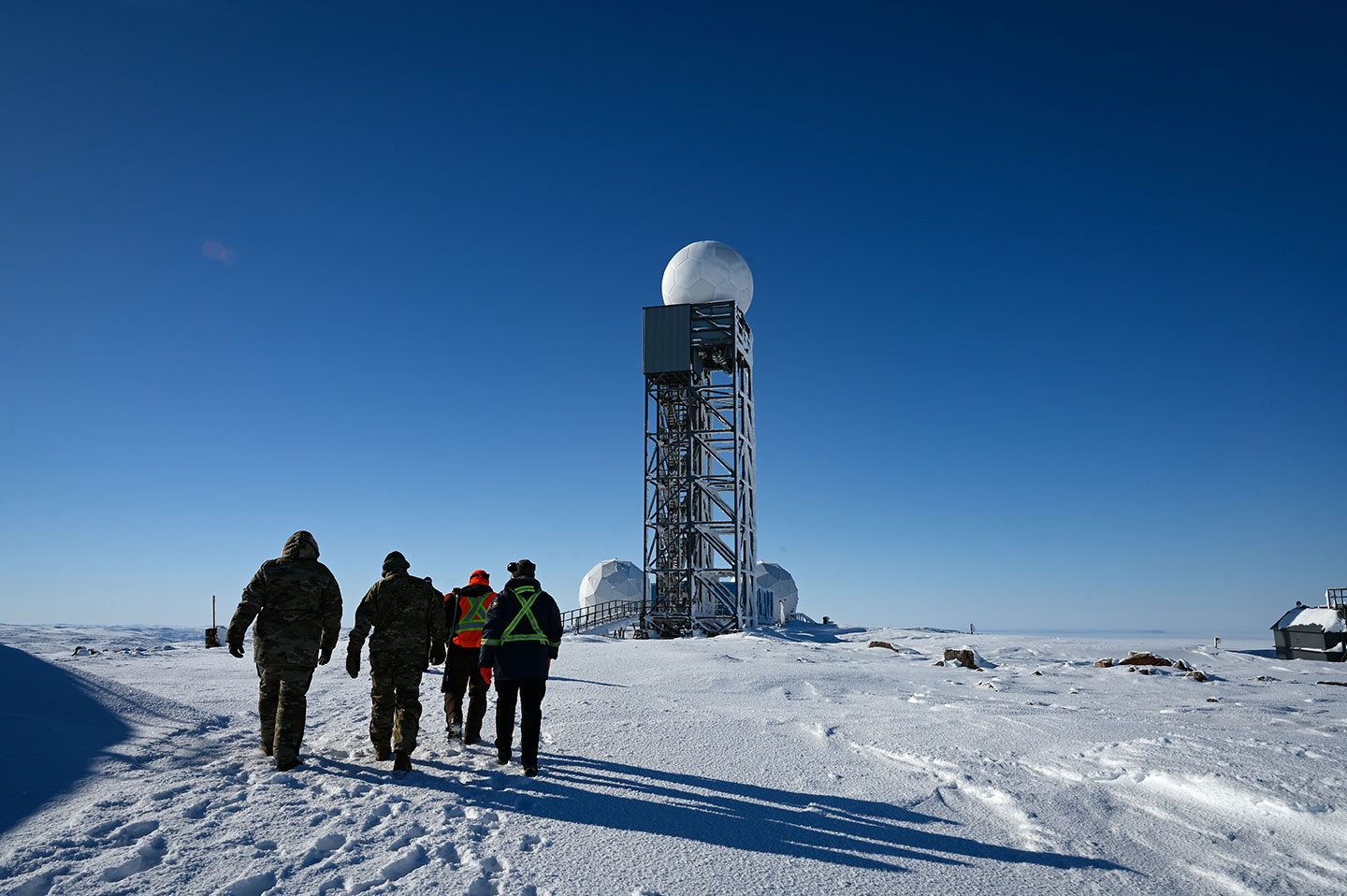
The government said it chose Telesat and MDA Space because of their combined expertise in secure satellite communications and space-based infrastructure, but the deal also will generate plenty of well-paid jobs in Canada. “This investment to strengthen our Arctic security and operations will be supported by Canadian expertise and will create high-quality jobs across the country,” Stephen Fuhr, secretary of state (defense procurement), said in the news release. “The project will deliver robust and secure military satellite communications capabilities that ensure our forces remain connected across vast and remote regions.”
Canada is using a strategic partner model for the project, which simplifies processes, cuts red tape and speeds up timelines by leveraging industry experience and expertise in design and development. On October 2, Prime Minister Mark Carney announced the establishment of the Defence Investment Agency, which was created to accelerate and streamline defense programs and purchases. The government says it is a significant step in transforming the country’s defense procurement system to rebuild, rearm and reinvest in the CAF.
In testimony before the U.S. Senate Armed Services Committee on February 13, 2025, Gen. Gregory M. Guillot, commander of U.S. Northern Command (USNORTHCOM) and NORAD, said: “Arctic responsibilities are shared across multiple geographic and functional combatant commands, and as competition in the region increases, safeguarding Arctic access and freedom of maneuver will depend on Joint Force Arctic operational capabilities and build on the already strong ties between Arctic partners. USNORTHCOM places enormous value on the ability to conduct operations and exercises in the High North and to execute assigned missions in coordination with fellow combatant commands.”