

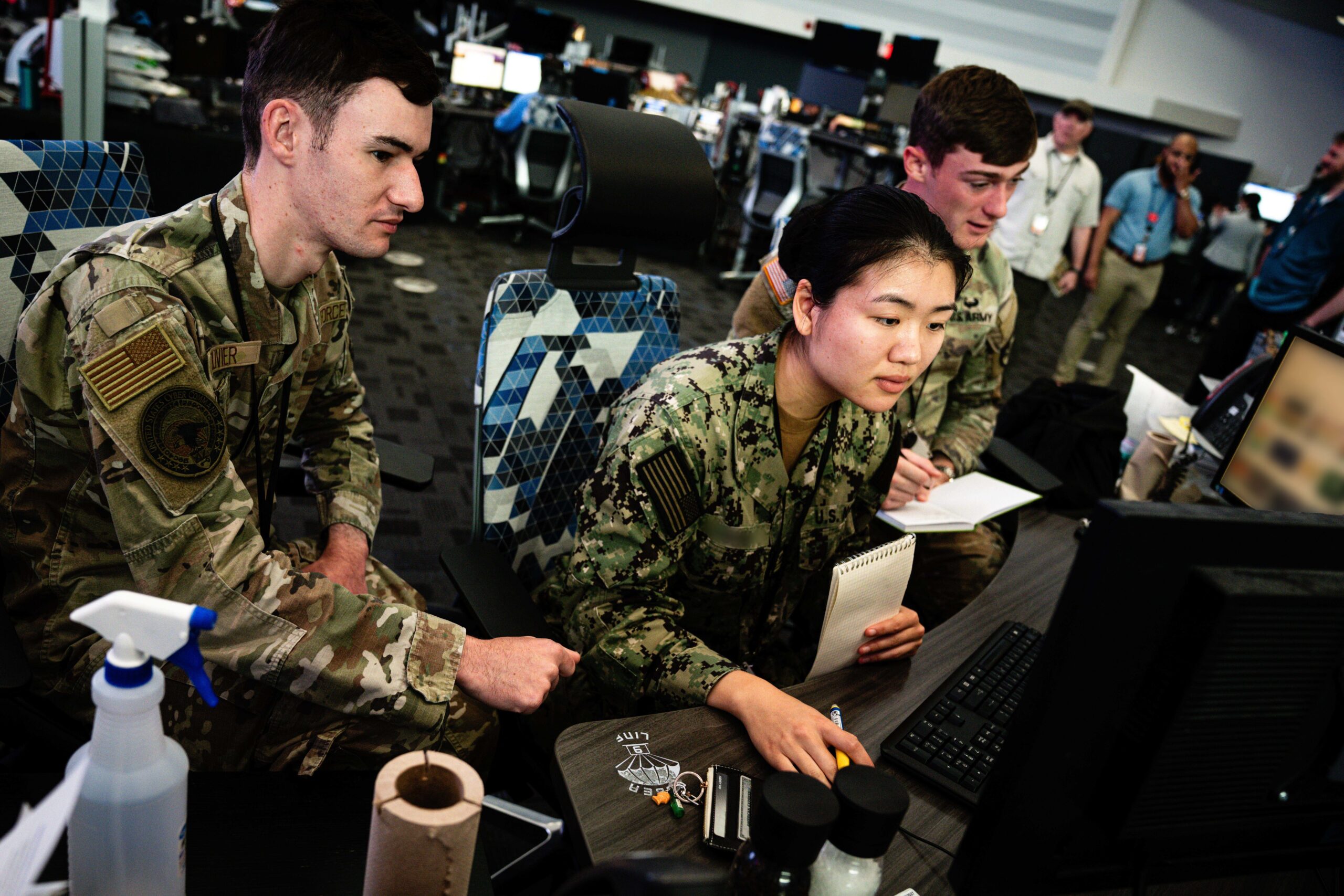
The United States has unveiled a sophisticated new counter cyberwarfare effort to keep the Chinese Communist Party (CCP) from infiltrating critical domestic infrastructure and secure vital digital networks. The Cybercom 2.0 Force Generation Model will train specialists to focus on discrete points of entry, including satellite communications and GPS systems, power grids and transportation networks, defense officials told a Congressional subcommittee in January 2026. “The Chinese have executed a deliberate campaign in order to compromise U.S. networks and then use native commands and native features inside those networks to move around to look like legitimate traffic. That makes it difficult for us to define those,” Army Lt. Gen. William Hartman, acting commander of U.S. Cyber Command and director of the National Security Agency, told Senate Armed Services Subcommittee on Cybersecurity members during a January 28, 2026, hearing, according to Defense Scoop, a U.S. military affairs news site.
To counter this threat, the Cyber Command will focus on integrating artificial intelligence (AI) to identify suspicious activity and allow cyber specialists to effectively deter future incursions. “We have seen them in telecommunication systems. We’ve seen them in critical infrastructure. That’s the bad news. The good news is we see them and we report them, and we execute operations to get them out of those networks. And increasingly, as we build expertise under the Cybercom 2.0 program, it will allow us to do that more effectively,” Hartman said. AI won’t eliminate the need for human counter cyber expertise but will allow cyber specialists to do their job more effectively. “It’s not going to entirely take the human out of the loop, but what it is going to do is identify the most important data that our analysts need to look at in order to best protect our network,” he said at the hearing.
U.S. Cyber Command officials have learned from previous CCP cyber operations such as Volt Typhoon and Salt Typhoon. Those incursions, beginning in the early 2020s, used techniques of “living off the land,” by adopting native technological processes and digital protocol to attack a wide range of critical U.S. assets, including communication networks and corporate intellectual property. Cybercom 2.0 represents a coordinated response that “is not merely an incremental adjustment, but a deliberate and comprehensive overhaul designed to deliver greater operational outcomes for the Joint Force,” according to a Department of War plan overview. Training cyber operators in specialized areas rather than regular rotations as generalists hopping from defending GPS technology to protecting power grids, for example, will allow for greater expertise in those areas. “A strong and integrated national cyber workforce is essential for protecting the American way of life. The cyber forces developed under CYBERCOM 2.0 will be on the front lines defending the critical infrastructure we all rely on, while simultaneously engaging the most critical threats posed by adversaries who seek to do our nation harm,” the document states.
The new model, which calls for cyber defense specialization while integrating emerging AI tools, will outpace the CCP’s efforts, defense officials said. “This approach builds a cyber force better capable of addressing emerging threats, such as exploitation of industrial control systems in critical infrastructure or cyberattacks automated by artificial intelligence,” Assistant Secretary of Defense for Cyber Policy Katie Sutton told lawmakers.