

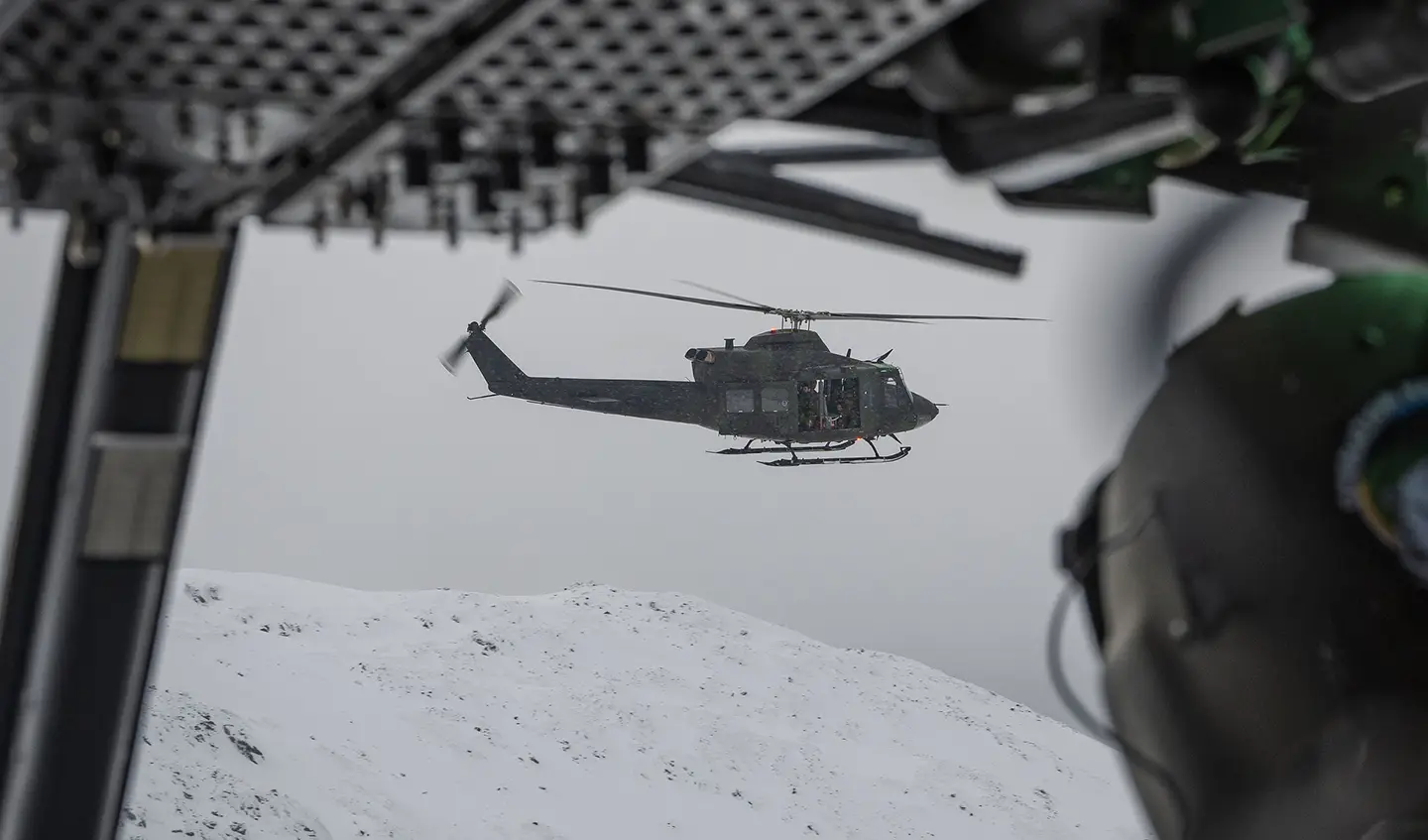
The Canadian Armed Forces (CAF) have launched Operation Nanook-Takuniq 2026, planning exercises throughout summer, fall and winter across the Canadian North and Arctic. The operation focuses on land-based awareness and surveillance in remote, austere environments.
Nanook-Takuniq demands specialized Arctic skills, including long‑range patrolling, navigation and survival in extreme conditions, and in-depth regional knowledge. Activities will be held in key locations such as Banks Island, Akpatok Island in Nunavut, and the coastlines of Hudson Bay and Labrador.
“Operation Nanook-Takuniq advances our enhanced Arctic operations by reinforcing the Canadian Armed Forces’ permanent presence and ability to operate in our North,” Maj. Gen. Tim Arsenault, acting commander of Canadian Joint Operations Command, said in a CAF news release on June 29, 2026. “Through near‑persistent, land‑based activity and close cooperation with Indigenous partners and Allies, Takuniq strengthens Canada’s ability to understand and secure its Arctic approaches.”
Led by Canadian Rangers, with support from the Canadian Army, Nanook-Takuniq uses long-range patrols, reconnaissance and a close partnership with Joint Task Force (North) to deepen the CAF’s Arctic knowledge and fortify Canada’s ability to monitor and protect its northern approaches. Throughout the year, Operation Nanook serials are coordinated with NATO activities, including the Arctic Sentry multidomain military mission, in support of Canada’s role in continental defense.
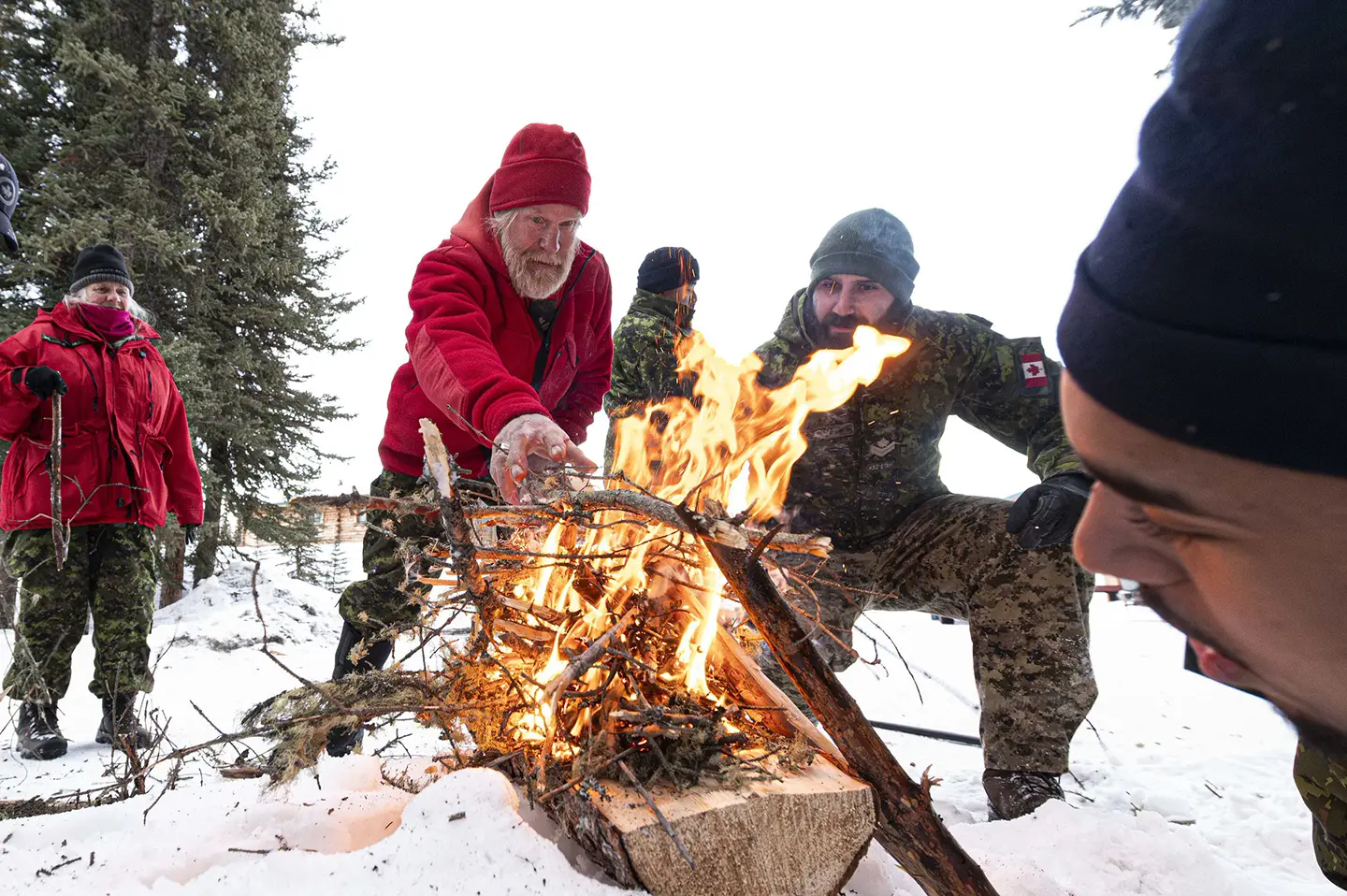
Canadian Rangers lead small patrols in key coastal and inland areas, observing activity, assessing terrain and access routes, and reporting on conditions in remote regions that are tough to assess with other methods. The patrols, which enhance local awareness around critical northern infrastructure, include sites near Canada’s North Warning System, an operational defense network designed to support North American air sovereignty and continental security.
“Takuniq demonstrates how joint forces enable reach across the Arctic,” Royal Canadian Navy Capt. Norman Gautreau, deputy commander of Joint Task Force (North), said in the CAF release. “By integrating Canadian Rangers with air mobility provided by 440 Transport Squadron out of Yellowknife, [Northwest Territories] the CAF is able to extend operational awareness across vast distances and operate effectively in some of Canada’s most challenging environments.”
As an Arctic nation and founding NATO member, Canada works with allies and partners to strengthen awareness, deterrence and defense in the Arctic, while contributing to a layered approach to North American security. These actions reinforce Canada’s sovereignty and security, enhance stability in the Arctic and the High North, and support informed decision‑making.
Operation Nanook-Takuniq is the CAF’s newest serial, initiated as a concept development operation in 2025. It was designed as an all-domain training operation focused on strengthening Canadian Rangers’ capacity to act as Canada’s eyes and ears in the North, and to integrate with other organizations, sensors and surveillance capabilities.
In testimony before the United States Senate Armed Services Committee on March 19, Gen. Gregory M. Guillot, commander of U.S. Northern Command (USNORTHCOM) and the North American Aerospace Defense Command (NORAD), praised the Canadian Armed Forces and the U.S.-Canada partnership in defending North America. “Defense cooperation between USNORTHCOM and the Canadian Armed Forces remains a cornerstone of continental defense,” Guillot said.