

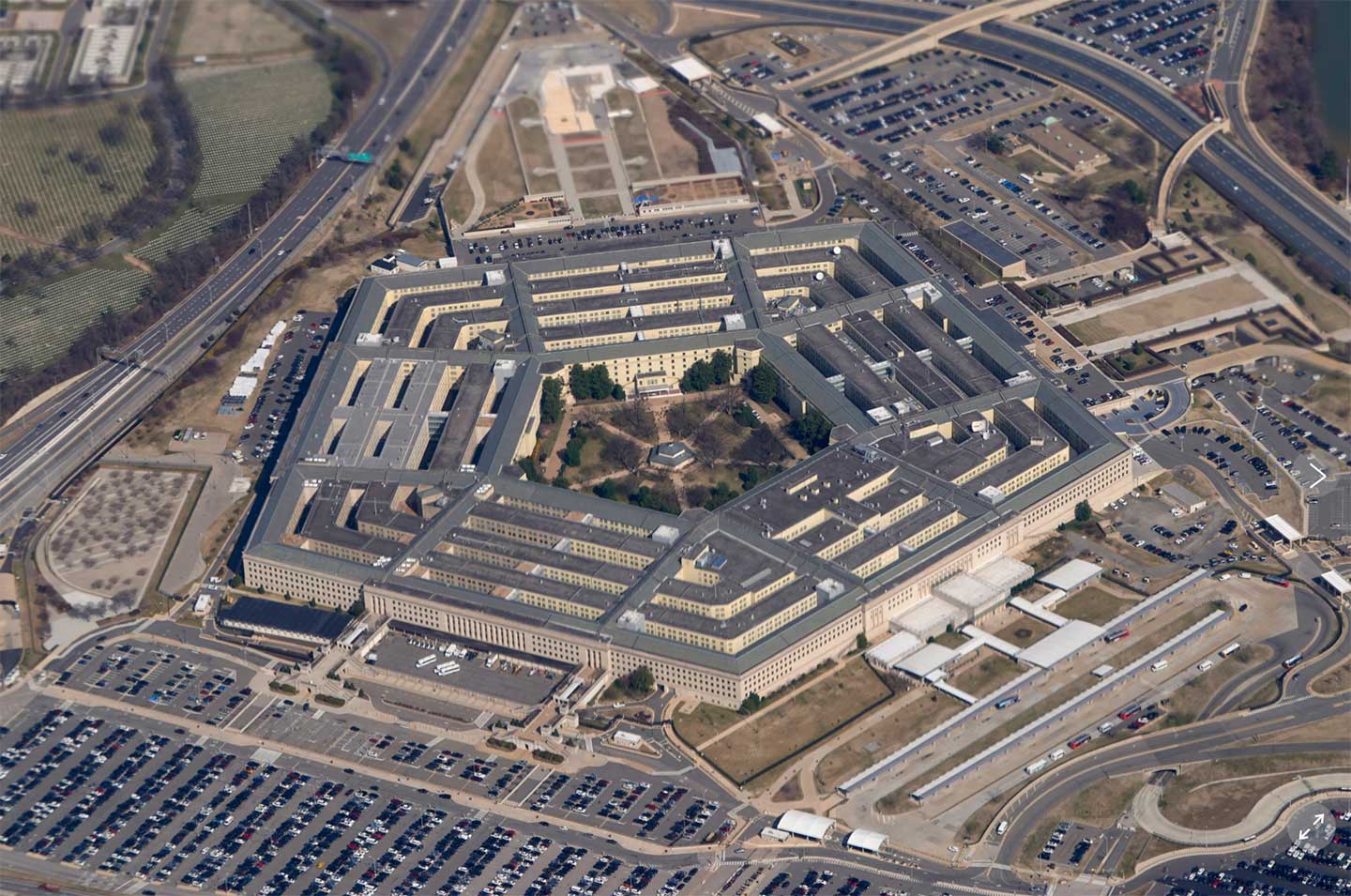
The Pentagon said in May 2026 that it has reached deals with seven tech companies to use their artificial intelligence in its classified computer networks, allowing the military to tap into AI-powered capabilities to help it fight wars. Google, Microsoft, Amazon Web Services, Nvidia, OpenAI, Reflection and SpaceX will provide their resources to help “augment warfighter decision-making in complex operational environments,” the Department of War said.
The War Department has been accelerating its use of AI in recent years. Technology can help the military reduce the time it takes to identify and strike targets, while aiding in the organization of weapons maintenance and supply lines, according to a report in March from the Brennan Center for Justice.
The Pentagon’s latest contracts come at a time of anxiety about the potential for over-reliance on the technology on the battlefield, said Helen Toner, interim executive director at Georgetown University’s Center for Security and Emerging Technology. “A lot of modern warfare is based on people sitting in command centers behind monitors, making complicated decisions about confusing, fast-moving situations,” said Toner, a former board member of OpenAI. “AI systems can be helpful in terms of summarizing information or looking at surveillance feeds and trying to identify potential targets.”
But questions about the appropriate levels of human involvement, risk and training are still being worked out, she said. “How do you roll out these tools rapidly for them to be effective and provide strategic advantage?” Toner asked, “while also recognizing that you need to train the operators and make sure they know how to use them and don’t over trust them?”
Some of the companies, including Amazon and Microsoft, have long worked with the military in classified environments, and it was not immediately clear if the new agreements significantly altered their government partnerships. Others, such as chipmaker Nvidia and the startup Reflection, are new to such work. Both companies make open-source AI models, which Michael has described as a priority to provide an “American alternative” to China’s rapid development of AI systems in which some key components are publicly accessible for others to build upon.
The Pentagon said military personnel are already using its AI capabilities through its official platform, GenAI.mil. “Warfighters, civilians and contractors are putting these capabilities to practical use right now, cutting many tasks from months to days,” the Pentagon said, adding that the military’s growing AI capabilities will “give warfighters the tools they need to act with confidence and safeguard the nation against any threat.”
In many cases, the military uses AI the same way civilians do — to take on rote tasks that would take humans hours or days to complete, said Toner, of Georgetown University. AI can be used to better predict when a helicopter needs maintenance or figure out how to efficiently move large amounts of troops and gear, she said. It can also help determine whether vehicles on a drone’s surveillance feeds are civilian or military. But people shouldn’t become overly dependent on it. “There’s a phenomenon called automation bias, where people can be prone to assume that machines work better than they actually do,” Toner said.