

For the second straight year, the Canadian Armed Forces (CAF) has surpassed its Regular Force recruiting target. The CAF enrolled 7,310 new members in fiscal year 2025-26, topping its target of 6,957 and marking the most annual enrollments in more than three decades. Building on that progress, the CAF has raised its goal to 8,200 enrollments for the 2026-27 fiscal year.
Women accounted for 17% of new recruits, The Defense Post website reported, while 1,400 permanent residents were enrolled, the most since 2022. The overall increase in recruiting follows an increase in the salary and other historic changes to compensation packages last year. The adjustments included a 20% salary increase for entry-level Regular Force privates, 13% for junior officers up to lieutenant-colonel and 8% for senior officers. The CAF also established a new Military Service Pay benefit based on years of service and improved allowances for training instructors, moves and domestic operations.
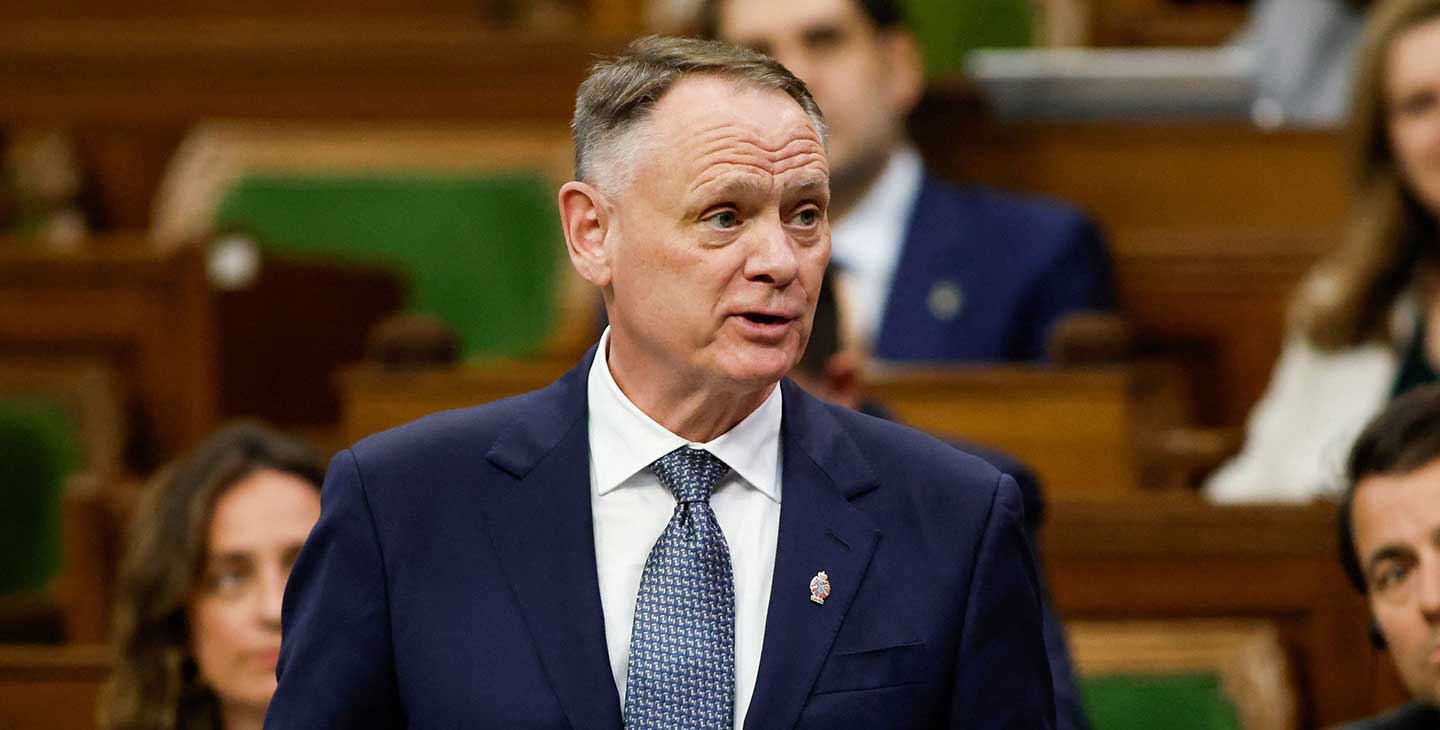
“The Canadian Armed Forces’ continued recruiting success signals more than progress — it reflects a renewed strength at the core of our military,” National Defence Minister David McGuinty said in a CAF news release on April 20, 2026. “Our investments are delivering, and we are accelerating that momentum by modernizing recruitment, removing barriers to service, and upholding the high standards that ensure the CAF remains ready to defend Canada — at home and around the world.”
Building on that momentum, the CAF is rolling out new digital systems to streamline application and onboarding processes. The Digital Onboarding System initially will focus on onboarding tasks that can be introduced earlier in the recruiting and training process. That will help prepare candidates before basic training by supporting administrative readiness, early engagement, and mental and physical preparation.
A Digital Recruiting System will consolidate applicant management and use automation to improve processing speed and consistency, The Defense Post reported. An improved online application portal will use more digital forms and reduce the need for manual data entry, improving applicant tracking and coordination.
Training capacity will be expanded in the 2026-27 fiscal year, with about 10,000 training seats set aside to account for attrition and course sequencing. Eligibility rules also have been revised, mandating Canadian citizenship or at least three years of physical residency for permanent residents in most positions, The Defense Post said.
As of April 2026, the Regular Force total strength is 67,827 active duty members. With net growth of nearly 5,000 members in the past two years, the CAF is expected to reach its authorized strength of 71,500 active duty members and 30,000 Reserve Force members by 2029.
“Growing our ranks is essential to meeting Canada’s defence commitments at home and alongside our allies abroad, and we are seeing real progress as we modernize how we recruit and bring new members into the force,” Gen. Jennie Carignan, chief of the Defence Staff, said in the CAF news release. “The priority now is to sustain and build on that momentum while expanding our capacity to train, integrate, and support those who choose to serve. This is how we will ensure the Canadian Armed Forces remains ready today — and prepared for the challenges ahead.”
In testimony before the United States Senate Armed Services Committee on March 19, Gen. Gregory M. Guillot, commander of U.S. Northern Command (USNORTHCOM) and the North American Aerospace Defense Command, spoke of the importance of the U.S. military relationship with Canada and other key allies. “USNORTHCOM’s defense missions are augmented by close, trusted relationships with outstanding security partners in the Command’s area of operations. Canada, Mexico, and The Bahamas have been key partners in regional defense for decades. … This summer, the strong military relationships among the U.S., Canada, and Mexico will be on full display as our forces work together to ensure a safe World Cup.”