

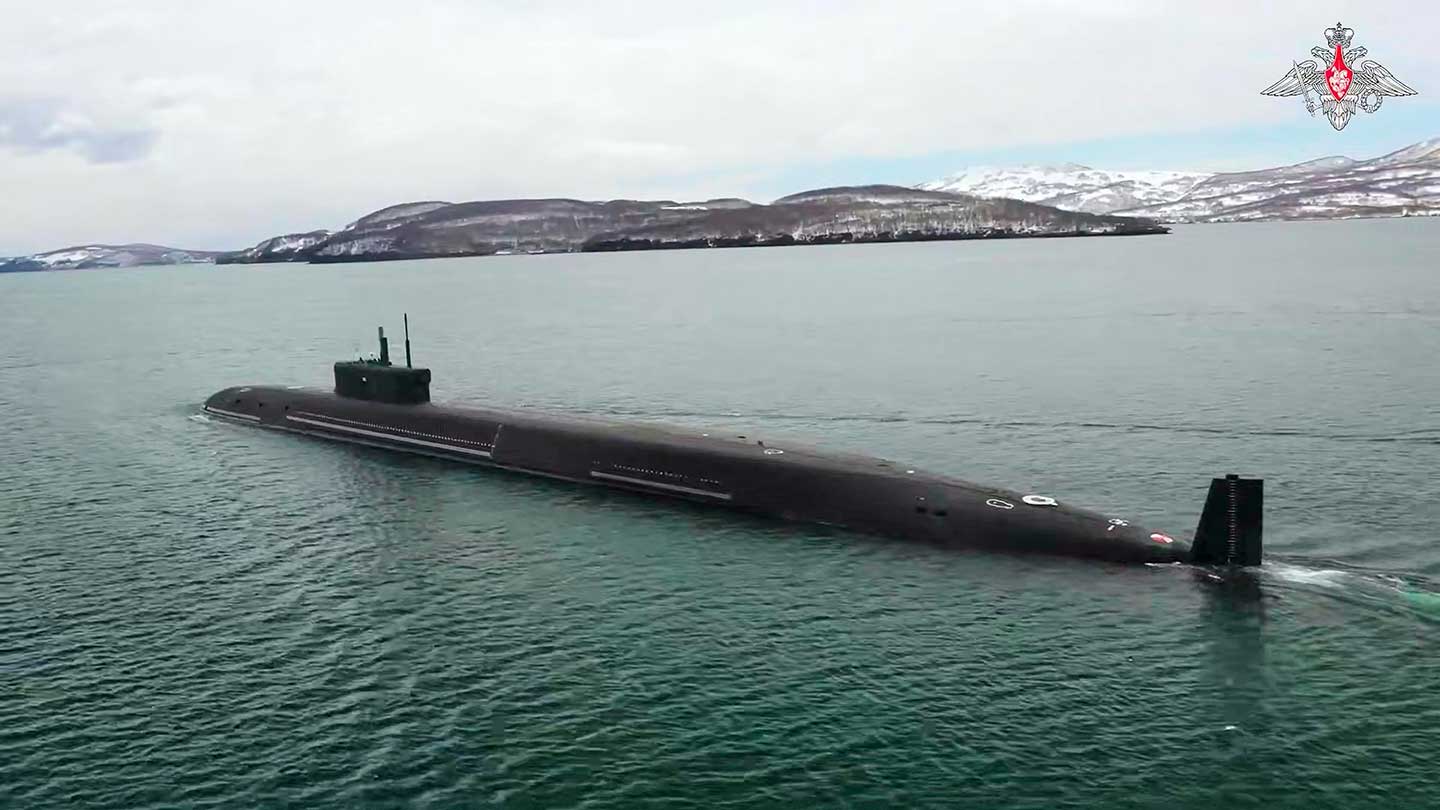
Russia is threatening a strategic Arctic choke point, and if it gains control of the maritime region, it will allow Vladimir Putin’s naval forces to move tactical hypersonic missiles within range of London, Norway’s defense minister warned. In an interview with The Times of London newspaper, Tore Sandvik said he was concerned Moscow may try to control the Bear Gap — a roughly 650-kilometer-wide stretch of water between mainland Norway and the archipelago of Svalbard — to gain access to the North Atlantic. From there, ship- and submarine-launched hypersonic cruise missiles, which have shorter ranges than Russia’s land-based strategic weapons, could easily reach Denmark, Norway and the United Kingdom.
“It’s homeland defence for the U.K.,” Sandvik told The Times in a May 31, 2026, article. “If Putin gets control of the northern part of Scandinavia, if he can control the Bear Gap, this is a direct threat against the U.K. … We see what kind of weapon systems Russia is developing, and we know that if they can control the Bear Gap, they can also use hypersonic missiles against NATO … against London, against Norway, against Denmark.”
Sandvik said the choke point, which allows passage from the Barents Sea into the Norwegian Sea, also holds strategic significance to the GIUK Gap to the west, which connects Greenland with Iceland and the U.K. Norway has sovereignty over Svalbard, but under the 1920 Svalbard Treaty, it can’t build up defenses in the territory or install a naval base. So, it lacks a permanent military presence there.
Bruno Tertrais, deputy director at the French FRS think tank, wrote recently that “while direct, overt Russian military action against the Svalbard remains improbable, an intensification of hybrid warfare against the archipelago is possible and even likely.” He noted that Norway has responded by amending legislation to ease the deportation of Russian nationals under Western sanctions, and by buying eight British Type 26 frigates, which are among the best anti-submarine warfare vessels in the world.
Norwegian officials, meanwhile, will open talks with France on boosting cooperation on French nuclear deterrence activities, French President Emmanuel Macron and Norwegian Prime Minister Jonas Gahr Støre said May 27. “We are doing this in light of the security policy situation in Europe, including Russia’s massive rearmament, also in the nuclear domain, and that it is waging a full-scale war against another European country,” Støre told the Norwegian news agency NTB.
British Defence Secretary John Healey warned in a Ministry of Defence news release in February that “Russia poses the greatest threat to Arctic and High North security that we have seen since the Cold War. We see Putin rapidly re-establishing military presence in the region, including reopening old Cold War bases. … The UK is stepping up to protect the Arctic and High North — doubling the number of troops we have in Norway and scaling up joint exercises with NATO allies.”
Russia’s powerful Northern Fleet accounts for roughly two-thirds of its navy’s nuclear strike capabilities. The fleet has benefited from a funding surge as it expands operations in NATO waters.
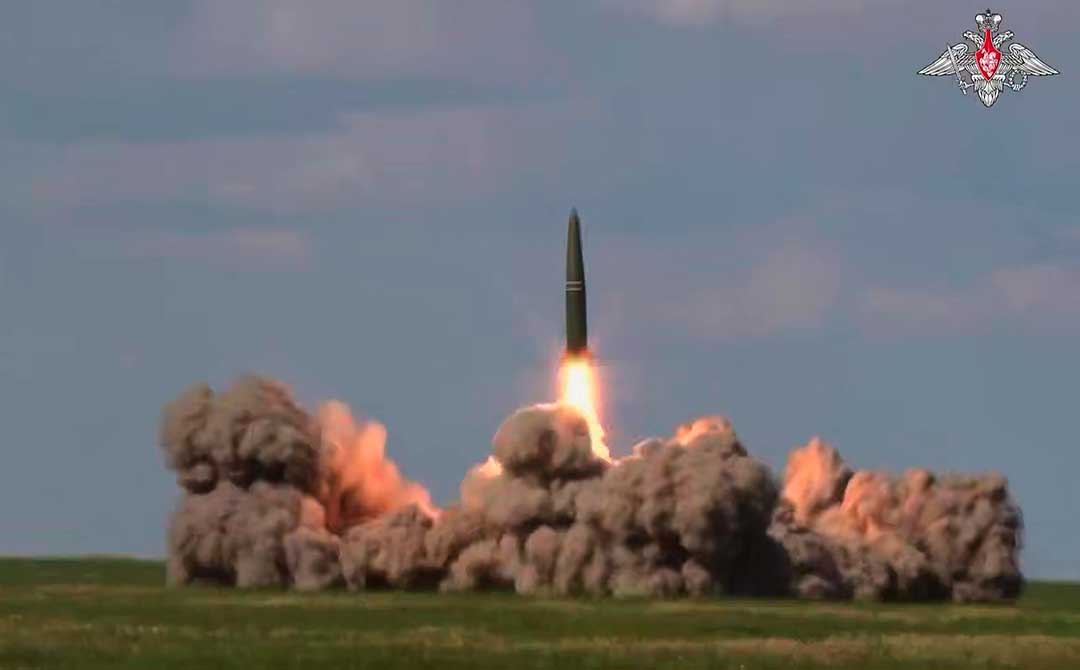
In May, Russia held some of its biggest nuclear exercises in years, involving 64,000 military personnel, for “the preparation and use of nuclear forces in the event of aggression.” In testimony before the Senate Armed Services Committee on March 19, Gen. Gregory M. Guillot, commander of U.S. Northern Command and the North American Aerospace Defense Command, said: “Russia remains the adversary with the greatest capability and capacity to threaten North America today.”