

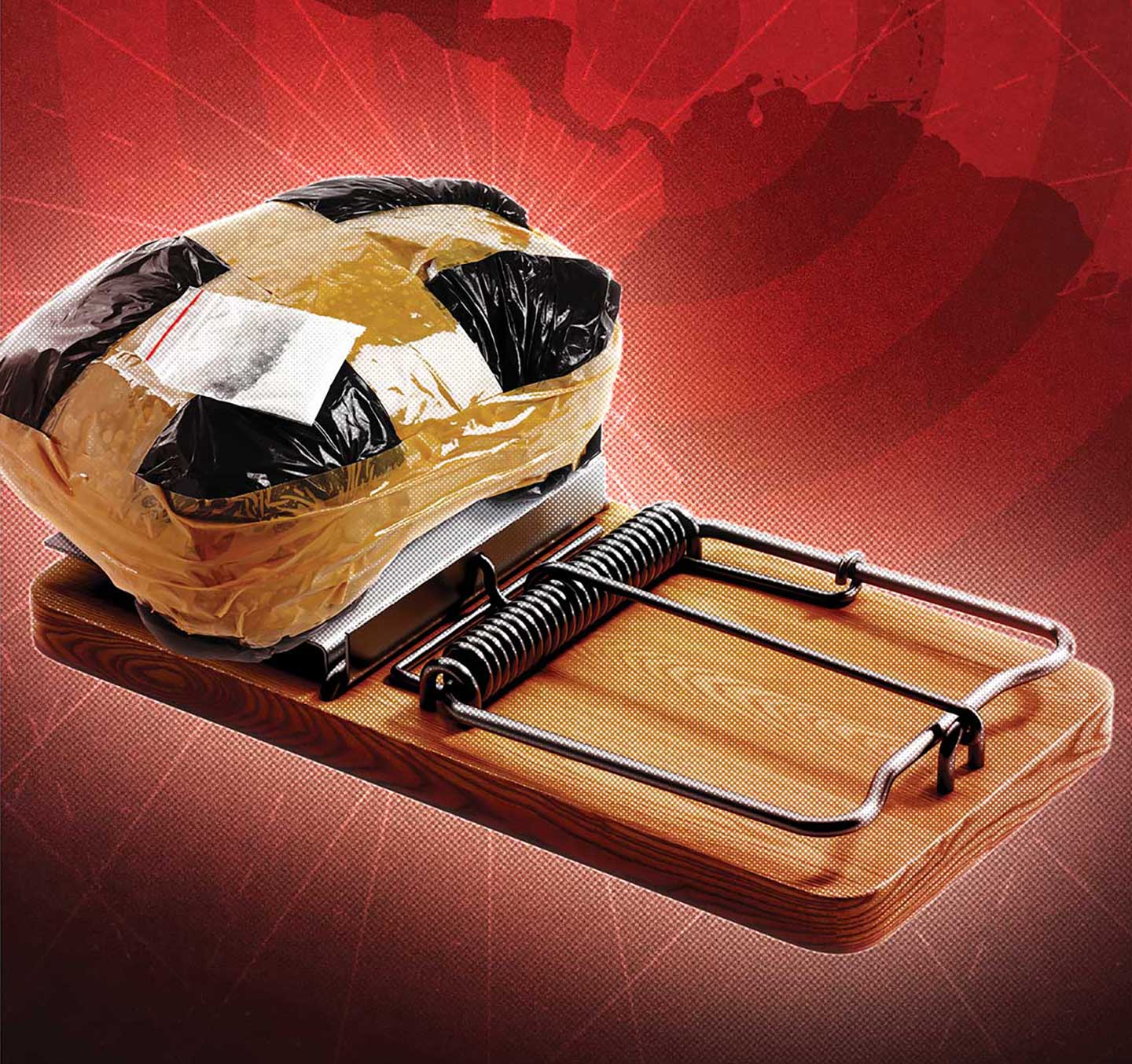
The United States State Department implemented an executive order from President Donald Trump in early 2025 designating eight transnational criminal organizations, or TCOs, as foreign terrorist organizations, or FTOs. This expanded the government’s legal authorities to purge the deadly drug cartels from the U.S. The State Department added another five Latin American TCOs to the FTO list in 2025. The directives outlined how these organizations pose a significant threat to U.S. security through drug trafficking, violence and intimidation.
The order expands the available means to deliver consequences against the cartels, to include the use of anti-terrorism authorities that have been applied to organizations such as the Islamic State group, al-Qaida and Hamas. The FTO designation also allows the U.S. government to prosecute those who provide “material support or resources” to these groups, even if they are outside U.S. borders.
“Terrorist designations expose and isolate entities and individuals, denying them access to the U.S. financial system and the resources they need to carry out attacks,” the State Department’s February news release stated. “As a result of actions taken today, all property and interests in property of those designated today that are in the United States or that are in possession or control of a U.S. person are blocked, and U.S. persons are generally prohibited from engaging in transactions with them.”
The initial designation covers Aragua Train (Tren de Aragua) in Venezuela, Mara Salvatrucha (or MS-13) in El Salvador and six groups based in Mexico: the Gulf Cartel (Cártel del Golfo), Jalisco New Generation Cartel (Cártel de Jalisco Nueva Generación), New Michoacan Family (La Nueva Familia Michoacana), Northeast Cartel (Cártel del Noreste), Sinaloa Cartel (Cártel de Sinaloa) and United Cartels (Cárteles Unidos). One of the oldest, the Sinaloa Cartel, was founded in the late 1980s as a marijuana smuggling operation.
The gangs added in September through December are Barrio 18, Cartel de los Soles, Clan del Golfo, Los Choneros and Los Lobos. Barrio 18 is most active in El Salvador, Guatemala and Honduras. Cartel de los Soles is based in Venezuela, while Los Choneros and Los Lobos are based in Ecuador. Clan del Golfo is based in Colombia.
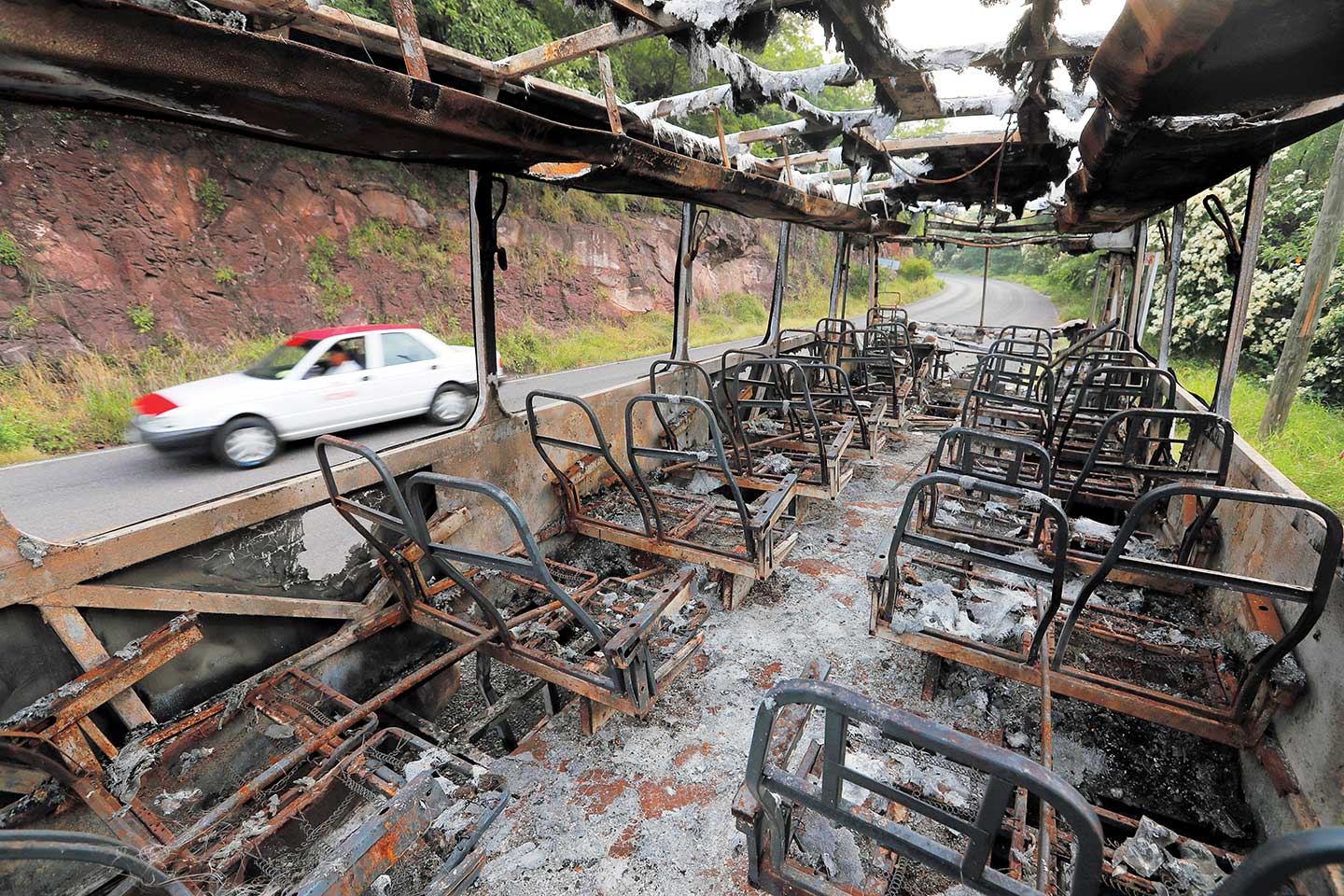
“The Cartels have engaged in a campaign of violence and terror throughout the Western Hemisphere that has not only destabilized countries with significant importance for our national interests but also flooded the United States with deadly drugs, violent criminals, and vicious gangs,” Trump said in his executive order, issued January 20, 2025. “The Cartels functionally control, through a campaign of assassination, terror, rape, and brute force nearly all illegal traffic across the southern border of the United States.”
A History of Killing
The cartels have a long history of using violence to protect their territories and businesses. That includes assassinations. “Thousands of Mexicans — including politicians, students, and journalists — die in the conflict every year,” the Council on Foreign Relations, a U.S.-based think tank, reported in February 2025. “The country has seen more than 460,000 homicides since 2006, when the government declared war on the cartels.”
News media and think tanks have recorded about 200 Mexican politicians killed in the past 20 years. In the run-up to the 2024 election alone, dozens of local political candidates were murdered. “The risk of violence and assassination are so high that many feel they have no choice but to campaign alongside armed guards or wear flak jackets and move around in armored cars,” Reuters reported in May 2024. “Security analysts say the killings are mostly linked to drug cartels seeking to influence local elections.”
The cartels also have used death threats in extortion schemes as they drain money from the avocado, chicken, lime and tortilla industries. The cartels have murdered to gain control of illegal gold mining, logging and fishing operations as they diversify their business models. The FTOs also are heavily involved in human smuggling for sex trafficking and forced labor. Those who try to escape are often killed; their deaths a warning to others.
Charges Swiftly Filed
Since the day the State Department designated eight transnational criminal organizations as FTOs, the Justice Department has moved swiftly to file material support charges. On February 20, 2025, federal prosecutors announced charges against 13 alleged high-ranking leaders of MS-13, accusing them of directing criminal activities, including murder, in Mexico, the United States and other countries over the past two decades. On April 23, the Justice Department unsealed charges against a high-ranking member of Tren de Aragua after his arrest in Colombia. On May 13, Justice officials said they had charged six alleged leaders of the Sinaloa Cartel with material support, narcoterrorism and drug trafficking.
On May 16, the department revealed charges against a Mexican national and alleged human smuggler for allegedly providing material support, including grenades, to the Jalisco New Generation Cartel. Additional charges included conspiracy to possess a controlled substance, human smuggling and trafficking firearms. On June 18, the U.S. sanctioned five top members of the Jalisco New Generation Cartel for drug trafficking and cited their involvement in killings. The sanctions froze any assets they have in the U.S. and prohibited U.S. citizens from doing business with them.
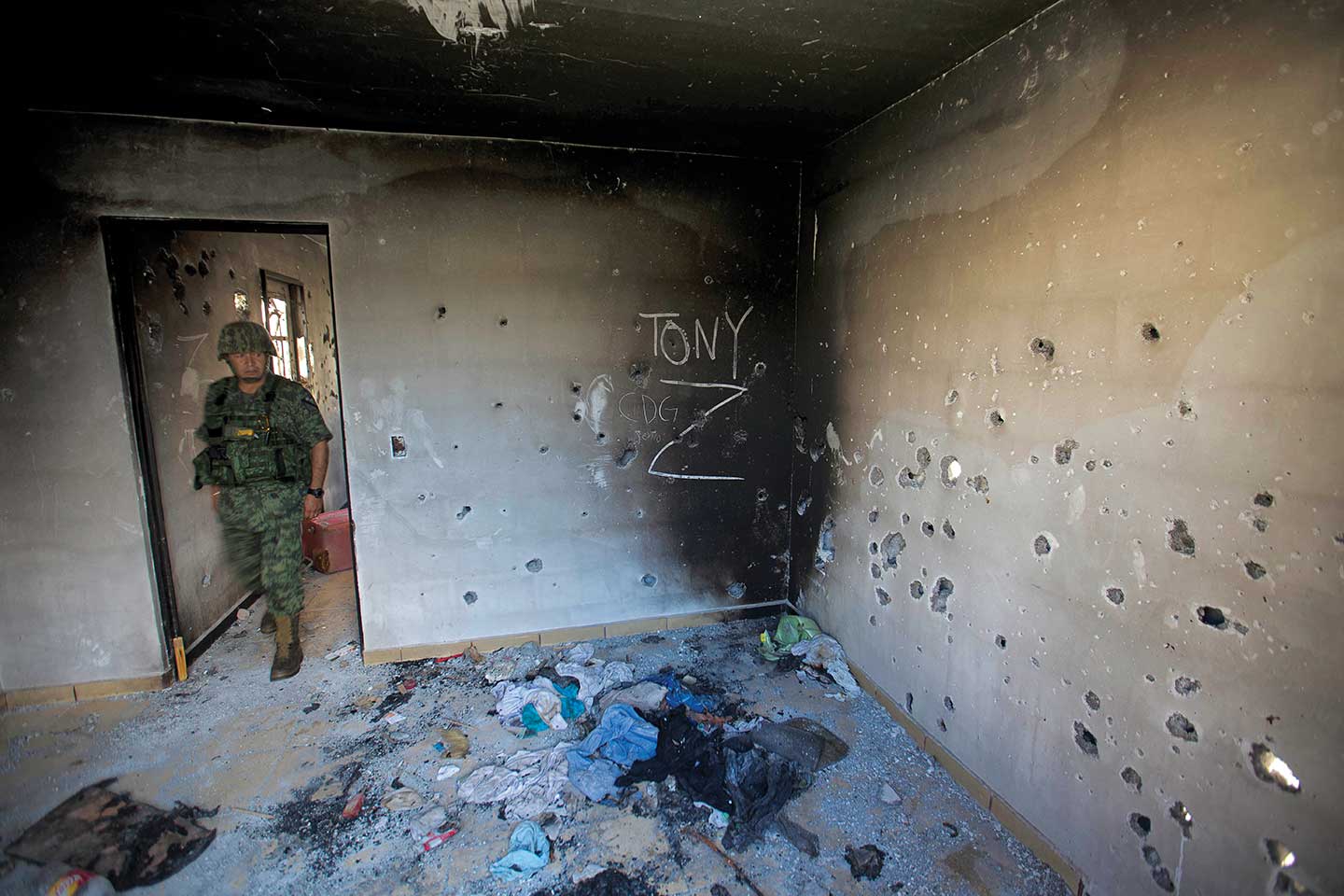
On July 26, the Treasury Department’s Office of Foreign Assets Control sanctioned Cartel de los Soles (Cartel of the Suns) as a specially designated global terrorist organization that provides material support to FTOs. “The FTO designation does more than just allow military strikes — presidents have launched attacks without it, like against the Houthis in Yemen. Instead, it expands the U.S. military’s intelligence-gathering abilities and helps prosecutors target a wider range of cartel associates, including logistics staff, money launderers, and hit men’s supervisors,” organized crime expert Dr. Vanda Felbab-Brown of the Brookings Institution, a U.S.-based think tank, told Newsweek magazine.
New Red Lines in 2025
Gary J. Hale, a policy expert who worked in law enforcement and intelligence for the U.S. federal government for 37 years, told The Watch in an email that new U.S. policies are changing the battlefield in the war on drugs. “Trump’s ‘America First’ policy reasserts U.S.-Mexico geographical border boundaries and draws new red lines against anyone, particularly the Mexican cartels, who would harm or kill U.S. citizens” or target their property or interests.
“When a person, entity or organization is designated as a Foreign Terrorist Organization, the entity becomes legally converted into an enemy combatant, an organized group of soldiers that are a threat to the U.S.,” Hale said.
The 13 Latin American crime groups designated as terror organizations in 2025:
Barrio 18 — Central America: The organization was formed by young Mexican and Salvadoran immigrants in Los Angeles as the 18th Street Gang. As Barrio 18, it has spread to El Salvador, Guatemala and Honduras, where it has attacked security personnel, public officials and civilians, the State Department says. Barrio 18 has a vicious rivalry with MS-13. “According to the United Nations, these two gangs have turned the Central American northern triangle into the area with the highest homicide rate in the world,” a 2013 Justice Department report on gang violence noted.
Cartel de los Soles — Venezuela: Cartel de los Soles is a criminal group connected to the Venezuelan government, the U.S. government says. The group is “responsible for terrorist violence throughout our hemisphere as well as for trafficking drugs into the United States and Europe,” a State Department news release said in November. Top officials in the Venezuelan military have been tied to the organization and its involvement in the international drug trade.
Clan del Golfo — Colombia: Clan del Golfo is a Colombian neo-paramilitary group and the country’s largest drug cartel. Its main source of income is cocaine trafficking.
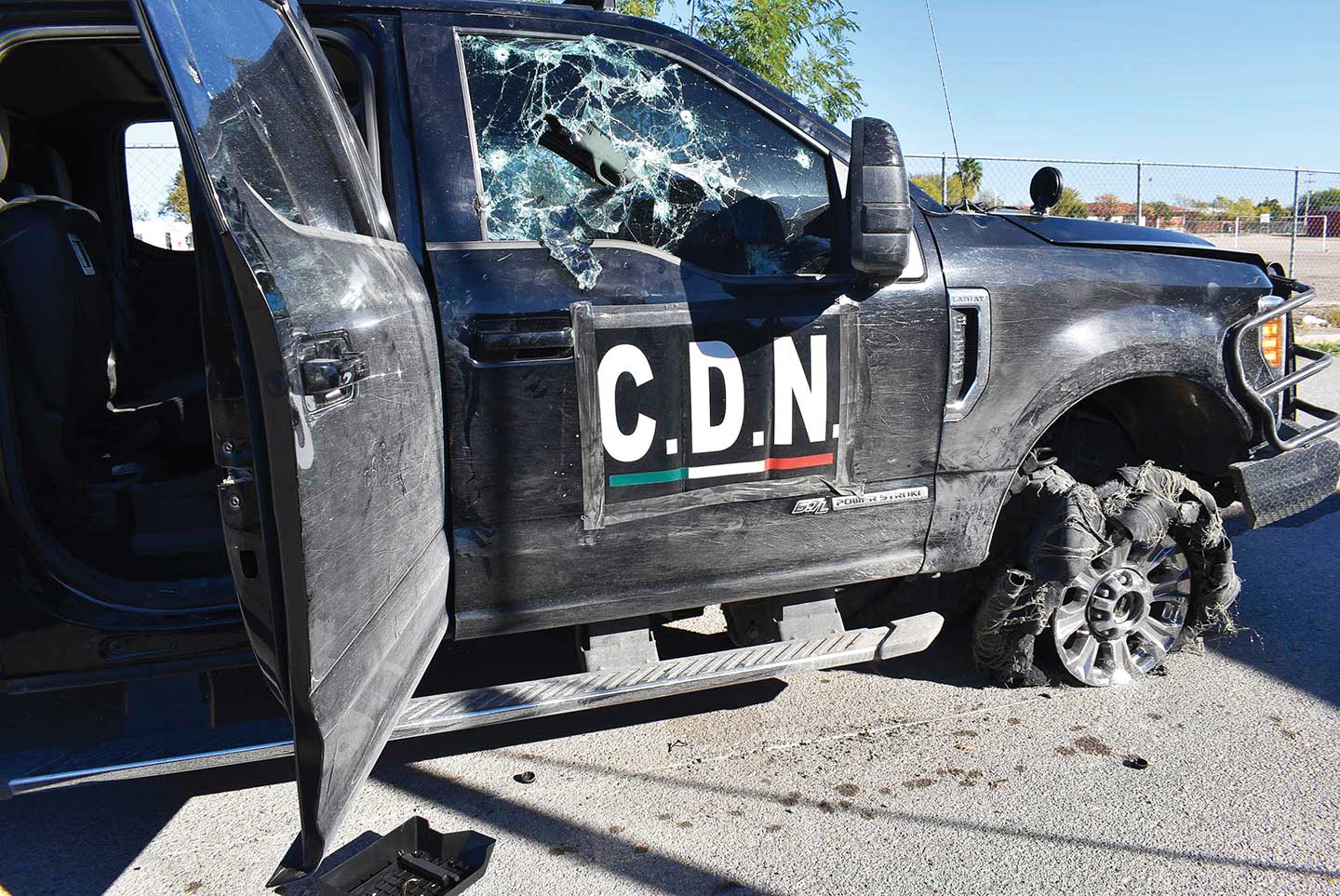
Gulf Cartel — Mexico: The Gulf Cartel operates along the eastern end of the U.S.-Mexico border, transporting drugs, guns and immigrants into the United States in what is the most direct path from Central and South America. The cartel has been around for decades but has split in recent years, leading to factional fighting. The cartel’s former leader, Osiel Cárdenas Guillén, who is in a Mexican prison after serving time in the U.S., recruited Mexican military members in the 1990s to form a group known as Los Zetas, which eventually formed their own drug trafficking cartel. The Northeast Cartel is a remnant of Los Zetas.
Jalisco New Generation Cartel — Mexico: This cartel, based in the west-central Mexican state of Jalisco, is known for its extremely cruel violence. It grew quickly, using a franchise-type arrangement with local gangs.
The cartel has cannibalized some of its victims, Mexico News Daily reported, and other media said cartel members had burned the face off a rival United Cartels leader. The Jalisco New Generation Cartel also has used drones and rocket-propelled grenades to attack enemies, Mexican news media reported.
While drug trafficking remains its most profitable illegal activity, the cartel is one of the most diverse in its criminal pursuits. That includes extortion of the avocado, chicken, lime and tortilla industries, as well as fuel theft and timeshare sales fraud.
Los Choneros — Ecuador: Los Choneros is an organized crime syndicate that originated in the cities of Chone and Manta in Manabí province in the 1990s. The gang has been linked to the Sinaloa Cartel and Jalisco New Generation Cartel. Los Choneros has “attacked and threatened public officials and their families, security personnel, judges, prosecutors, and journalists in Ecuador,” said the State Department news release announcing the group’s FTO designation. Ecuador, in cooperation with the United States, extradited the gang’s leader, Fito Macías, to the U.S. in July. He was the first Ecuadorian citizen extradited from Ecuador to the U.S.
Los Lobos — Ecuador: Los Lobos, or “The Wolves,” began as a splinter group of Los Choneros but split with them in 2020. Los Lobos is involved with contract killings, extortion and the sale and distribution of drugs. “Their ultimate goal is to control drug trafficking routes through Ecuador by terrorizing and inflicting brutal violence on the Ecuadorian people,” the State Department said. Both Los Lobos and Los Choneros are known for rigging improvised explosive devices in cars and carrying out terrorist bombings in major cities. Authorities implicated Los Lobos in mid-October when explosive devices were detonated on two bridges in Ecuador. The country’s interior minister described the attacks as retaliation after a major military operation against illegal miners.
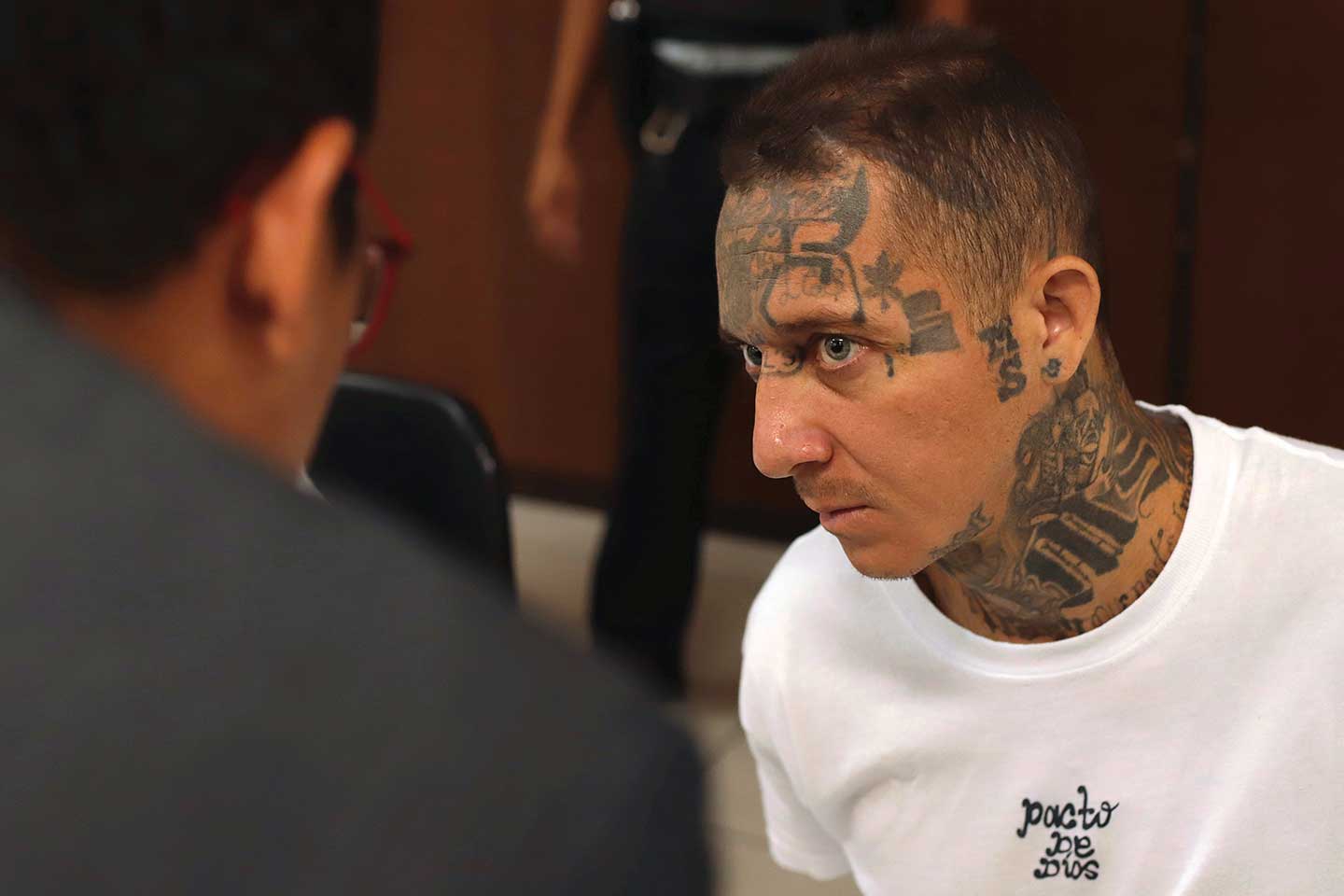
MS-13 — El Salvador: The group started in Los Angeles in the 1980s in areas made up mostly of Salvadoran civil war refugees. Salvadorans deported by the U.S. spread the gang back to El Salvador. The gang now controls large areas of that country, recruiting members by force and extorting others. In the United States, MS-13 is known for its cruel violence and street-level drug sales.
The gang has faced severe headwinds in El Salvador since President Nayib Bukele launched an assault on street gangs in March 2022. Salvadoran officials say more than 80,000 people have been arrested since then for gang ties, The Associated Press reported.
New Michoacan Family — Mexico: Based in west-central Mexico, this group is known for producing synthetic drugs and illegal mining, but it also is known for hijacking the region’s avocado supply chains and extorting farmers, often driving them from their land after demanding “cuotas” — protection fees. The gang’s demands are backed by threats of violence or death. It also has bribed police in many areas, analysts say.
The New Michoacan Family was formed as a splinter group in 2011 after the original Michoacan Family lost power in 2010 with the birth of the Knights Templar Cartel and the falsely reported death of the Michoacan Family’s former leader, Nazario Moreno González. In reality, Moreno González had switched his allegiance to the Knights Templar Cartel and led the group until he was killed by Mexican military forces in March 2014.
Northeast Cartel — Mexico: The Northeast Cartel, what’s left of Los Zetas, operates along the eastern end of the U.S.-Mexico border, transporting drugs, guns and immigrants into the United States. The cartel has retained a small portion of what Los Zetas once ruled. The cartel’s base is Nuevo Laredo, the busiest commercial port of entry on the U.S.-Mexico border. The cartel is also known for extortion and vicious attacks against military members and police.
Sinaloa Cartel — Mexico: One of Mexico’s oldest drug cartels, the Sinaloa Cartel dates to the late 1980s and is based in the mountains of the state by the same name in northwest Mexico. It initially focused on smuggling marijuana into the United States. Sinaloa now transports an array of different drugs into the U.S. using boats, planes, migrants and cross-border tunnels. Sinaloa’s leader, 78-year-old Ismael “El Mayo” Zambada, was arrested in El Paso, Texas, in July 2024, setting off internal fighting between those loyal to Zambada and sons of the cartel’s best-known former leader — Joaquín “El Chapo” Guzmán, who was already serving a life sentence in the United States. This civil war “is now intensified, and the [Claudia] Sheinbaum administration has intensified pressure on the Sinaloa Cartel and its various branches,” Felbab-Brown told The Watch. “So, there is an almost turmoil within the Sinaloa Cartel, one effect of which may be that there is smaller production of fentanyl.”
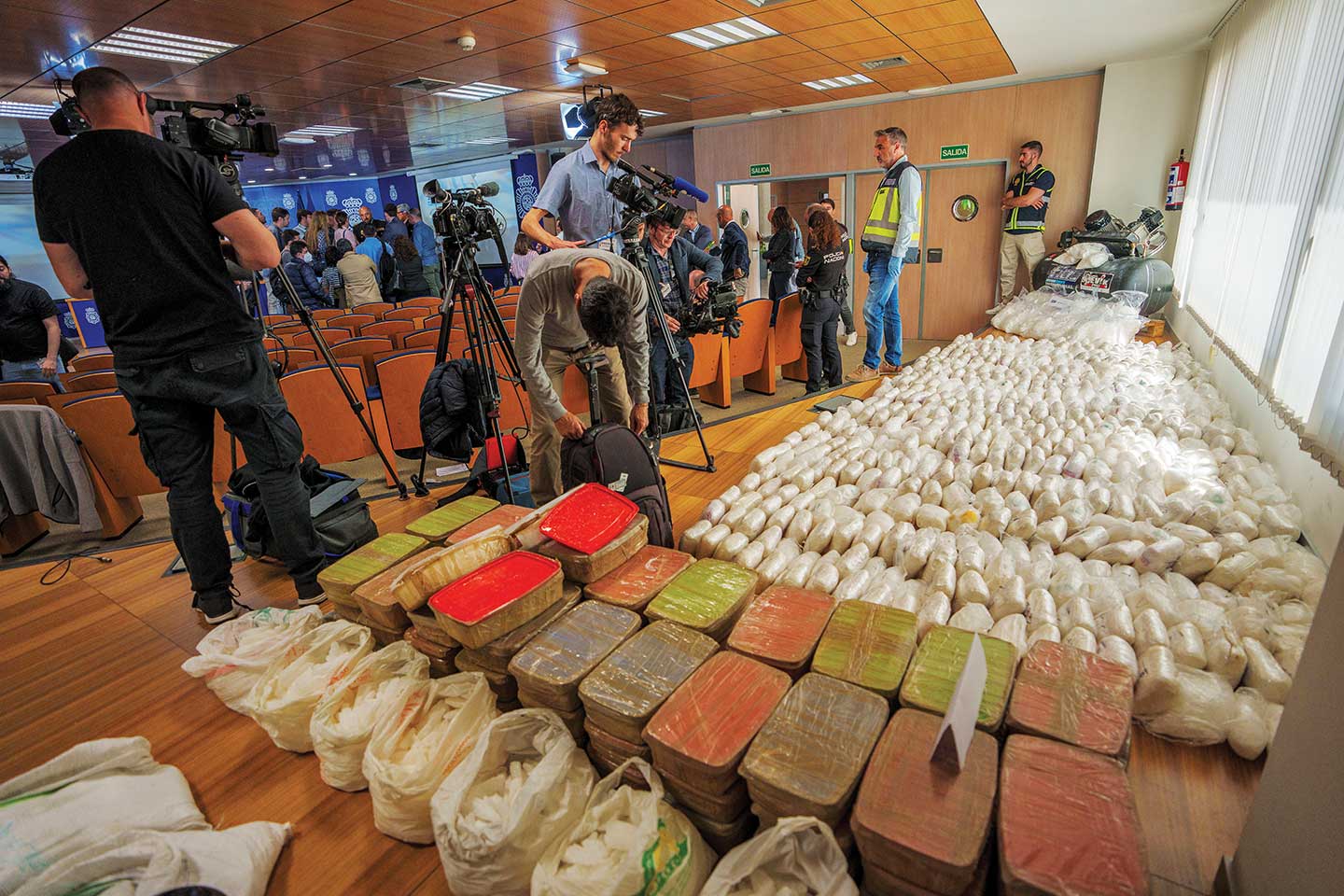
Fentanyl, a synthetic opioid that is up to 50 times stronger than heroin, is one of Sinaloa’s most lucrative businesses, and it’s blamed for tens of thousands of deaths each year in the U.S. Sinaloa imports the precursor chemicals from China.
Sinaloa is also considered perhaps the most corrupting criminal organization in Mexico. Genaro García Luna, once hailed as the architect of Mexico’s war on drug cartels, was sentenced to 38 years in a U.S. prison in October 2024 for taking millions of dollars in bribes to shield Sinaloa Cartel drug traffickers.
Tren de Aragua — Venezuela: The Tren, which means “train” in Spanish, was formed more than a decade ago by hard-core criminals in a prison in the central state of Aragua. It quickly expanded into other parts of Latin America and the United States as more than 8 million people fled Venezuela’s economic upheaval.
Law enforcement officials in countries such as Chile, Colombia and Peru — all of which have many Venezuelan migrants — have accused the group of heinous crimes, including the beheading and burying alive of victims. Alleged Tren de Aragua members have been linked to several high-profile U.S. crimes in 2024, including the slaying of nursing student Laken Riley in Georgia. Riley’s killer, José Antonio Ibarra, was convicted of murder and nine other charges and was sentenced to life in prison without the possibility of parole.
While Tren de Aragua started out in drug trafficking, its main businesses now involve human trafficking, migrant smuggling, sexual exploitation and forced labor. U.S. authorities say Tren de Aragua launders its money through cryptocurrencies and poses a threat in various parts of the United States.
United Cartels — Mexico: Also known as La Resistencia (The Resistance), United Cartels was initially formed with gunmen from the Gulf Cartel, the Knights Templar Cartel, the Michoacan Family and the Sinaloa Cartel to fight Los Zetas in Michoacán and Jalisco. In recent years, United Cartels has been in a bloody war with the Jalisco New Generation Cartel.