
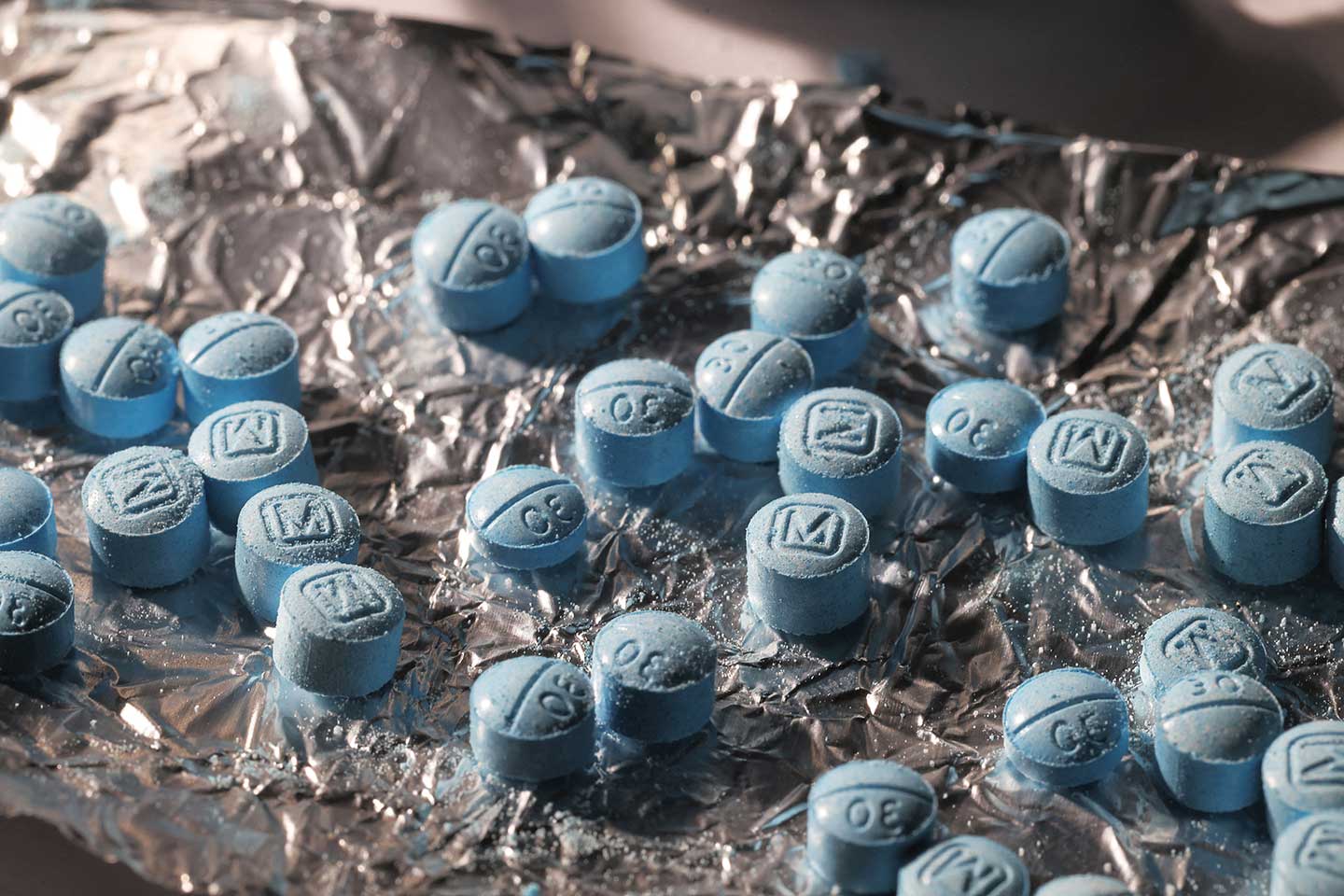
China took a series of actions in June 2025 to counter the narcotics trade in a sign of cooperation with the United States’ demands for stronger steps to curb the flow of the synthetic opioid fentanyl. The U.S. imposed 20% tariffs on Chinese imports in February 2025 over Beijing’s failure to curb the flow of precursor chemicals for fentanyl. The Chinese Communist Party (CCP) has balked at some of Washington’s demands, which included publicizing the crackdown on precursors on the front page of the CCP’s People’s Daily newspaper, educating party members and tightening regulation of specific chemicals.
However, Beijing did add two precursors to a list of controlled chemicals starting on July 20, 2025. The chemicals, 4-piperidone and 1-boc-4-piperidone, were “considered fundamental to resolving the fentanyl issue,” according to a source familiar with U.S. negotiations.
The move came after U.S. Ambassador David Perdue had a meeting with China’s Minister of Public Security Wang Xiaohong in Beijing, at which Wang expressed willingness to work with Washington on drug control, according to a Chinese statement.
After that statement, a court in the southeastern province of Fujian handed a suspended death sentence to former drug control official Liu Yuejin for bribery, state media reported. Liu, a former director of the Ministry of Public Security’s narcotics control bureau, was convicted of illegally receiving bribes worth over $17 million between 1992 and 2020. His death sentence was suspended for two years. According to Chinese law, if a convicted person sentenced to death does not commit a crime during their reprieve period, their sentence could be reduced to life imprisonment.