
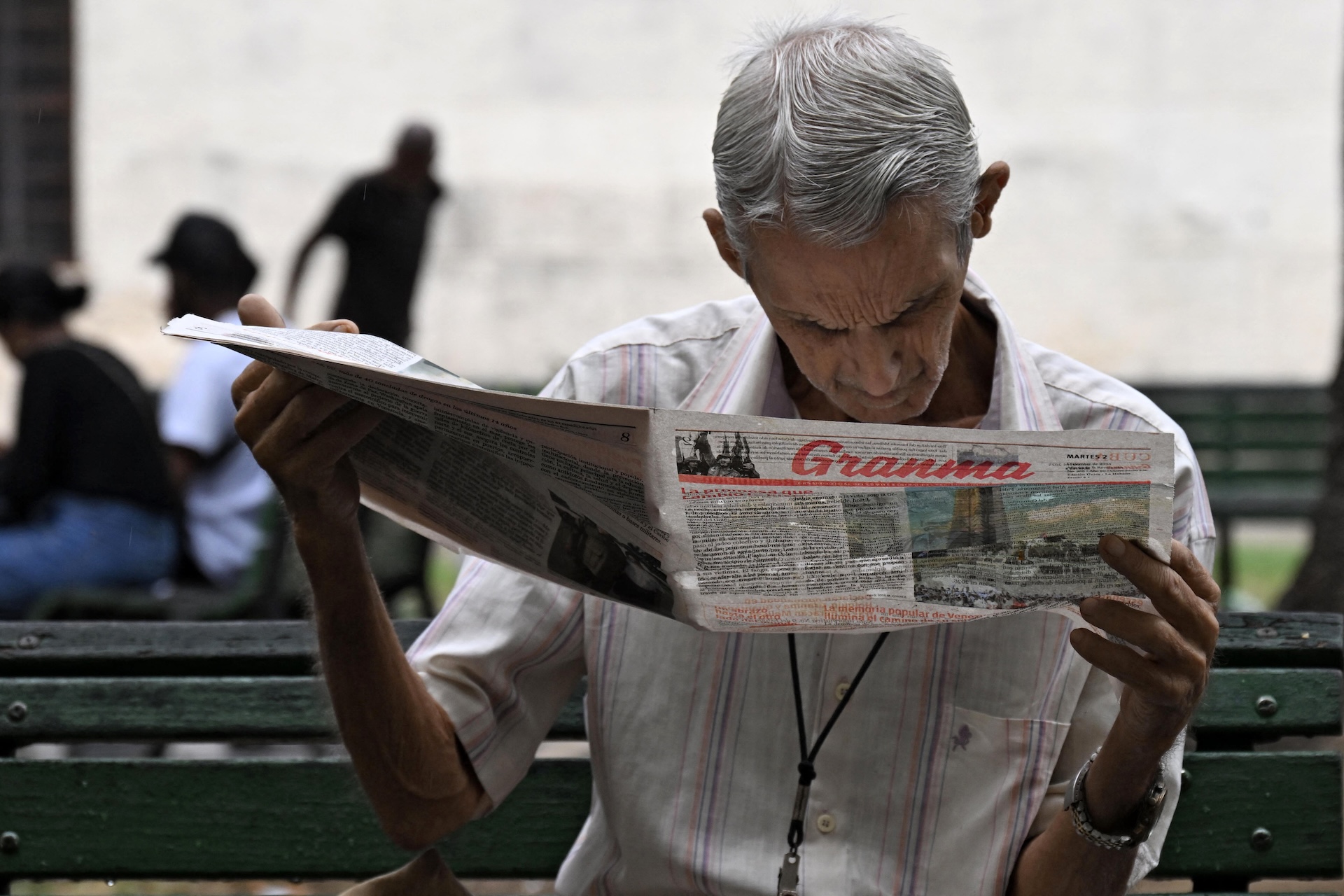
The Chinese Communist Party (CCP) is intensifying its influence strategy in the Caribbean through a combination of diplomacy, investments, media cooperation and information campaigns aimed at expanding its strategic presence in the region. Experts say that Beijing is using journalism training programs, content-sharing agreements, ties with local media outlets, and in some cases, even coercive practices to promote narratives favorable to its geopolitical interests. It aims to reduce scrutiny of its strategic projects and consolidate support for key positions such as the One China principle.
Analysts warn that this strategy goes beyond the media sphere. In a region where the CCP has expanded its economic presence through infrastructure, ports and telecommunications projects, Beijing’s growing weight within the information ecosystem is raising concerns about transparency, press independence and the ability of Caribbean countries to preserve information spaces free from authoritarian influence.
In a March 2026 report, Reporters Without Borders examined CCP media influence efforts in the Caribbean, including government-funded press trips and training programs involving Caribbean journalists. The report described visits to Beijing during which reporters were exposed to content aligned with the official narrative of the CCP and, in some cases, temporarily deprived of their passports.
“China is one of the world’s most repressive countries for press freedom, and these initiatives risk transforming local independent media into instruments of foreign propaganda,” the report warns.
According to the organization’s 2026 World Press Freedom Index, China ranks 178th out of 180 countries and is described as “the world’s largest prison for journalists.”
Taiwan’s diplomatic isolation
The Caribbean represents a strategic region for the CCP, both because of its strategic position in the hemisphere and because it is home to some of Taiwan’s last remaining diplomatic allies, including Haiti, Saint Kitts and Nevis, Saint Lucia, and Saint Vincent and the Grenadines. Expanding its influence in the region allows Beijing not only to increase its economic and geopolitical weight, but also to diplomatically isolate Taiwan.
One of the most visible examples is Grenada, considered alongside Cuba, Guyana and Jamaica as among the Caribbean countries most exposed to CCP soft power. Beijing is exploiting vulnerabilities within the local media system, such as lack of funding, low salaries and limited professional training opportunities for journalists, to expand its influence through training programs in China. According to the journalism group, nearly 90% of Grenadian journalists participated in these types of courses, described by some participants as tools of propaganda and indoctrination.
“Local newsrooms are also under pressure to publish ready-made editorials and articles produced by Chinese authorities, often without independent editorial oversight,” Aleksandra Bielakowska, Head of Asia-Pacific Advocacy at Reporters Without Borders, said.
This strategy has coincided with stronger political ties between Beijing and several Caribbean governments. Grenadian Prime Minister Dickon Mitchell was the first foreign leader received by Xi Jinping in 2025. During the meeting, widely covered by local media, Mitchell reiterated Grenada’s “firm commitment” to the One China principle, which considers Taiwan an integral part of Chinese territory, and called for “respect for China’s sovereignty and territorial integrity.”
After severing diplomatic ties with Taiwan in 2005, Grenada has seen a significant increase in Chinese investment. During the prime minister’s visit to Beijing, the CCP announced $13.8 million in new investments for economic and technical cooperation with the island.
The Dominican Republic also experienced a sharp increase in CCP media presence after breaking diplomatic relations with Taiwan in 2018 to officially recognize Beijing. Since then, Chinese television programming, content-sharing agreements and training initiatives for local journalists have increased.
“Through this approach, China is effectively exporting an authoritarian model of information control that undermines the principles of independent journalism and, more broadly, democratic values,” Bielakowska said.
Diálogo Américas is a publication of the United States Southern Command.