

The United States Department of War (DOW) has announced three agreements with major defense manufacturers to rapidly accelerate production and delivery of missile systems and critical parts. The deals with Lockheed Martin, Honeywell Aerospace and BAE Systems will allow the companies to surge production of missiles and components, including ballistic interceptors, advanced infrared sensors and devices that enhance missile maneuverability and targeting.
“Through this agreement, we are actively building the Arsenal of Freedom with speed and urgency,” Michael Duffey, Under Secretary of War for Acquisition and Sustainment, said in a DOW news release March 25, 2026. “By empowering industry to invest in the factory floor, we are building a decisive and enduring advantage for our warfighters to outpace any potential adversary.”
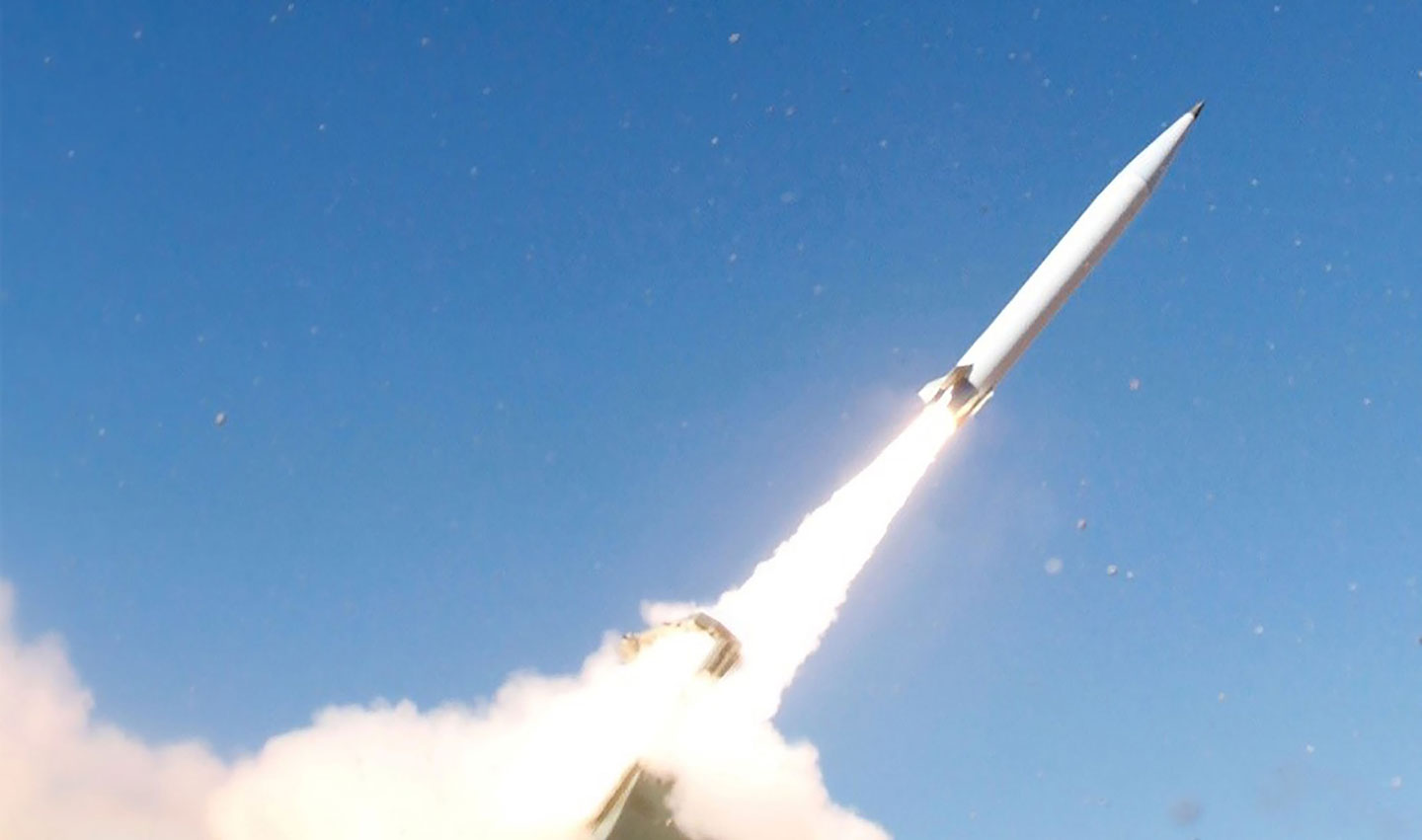
Under the agreement, Lockheed Martin will quadruple production of its Precision Strike Missile (PrSM), the company said in a news release. PrSMs were used for the first time in combat against Iranian targets in Operation Epic Fury, U.S. Central Command announced. Video released March 4 shows the missiles being launched in desert terrain from M142 High Mobility Artillery Rocket Systems (HIMARS).
“Lockheed Martin delivers the advanced precision fires capabilities the warfighter needs, including the Precision Strike Missile (PrSM), which expands deep-strike capability,” Lockheed Martin CEO Jim Taiclet said in the company news release. “We are working closely with the Department of War and the U.S. Army to scale production to meet operational demand and ensure the joint force has the capabilities needed to deter and defeat emerging threats.”
The company also will work with BAE Systems to quadruple production of the Terminal High Altitude Area Defense interceptor missile, or THAAD. BAE Systems announced a seven-year framework agreement with the DOW to expand production and accelerate delivery of BAE’s infrared seeker, which provides critical sensing and guidance capabilities for the THAAD.
“This new, multi-year agreement provides a long-term demand signal that gives us the confidence to further invest in expanding our capacity; and underscores the strength of industry’s collaboration with the Department of War,” Tom Arseneault, CEO of BAE Systems, said in a company news release. “We remain focused on rapidly delivering superior technology at scale to help our warfighters maintain a decisive advantage.”
Honeywell Aerospace will ramp up production of critical missile components, including navigation systems; actuators, which control and maneuver missiles in flight; and electronic warfare solutions used on fighter jets and Advanced Medium-Range Air-to-Air, or AMRAAM, missiles. “Honeywell Aerospace is proud to embrace the challenge and meet this urgent need,” CEO Jim Currier said in a news release.
These missile systems and components are crucial to the nation’s ability to defeat aerial threats, including one-way attack drones. The THAAD interceptor, with a top speed of 10,000 kph (Mach 8.2), is designed to disable or destroy intermediate and short-range ballistic missiles.
The PrsM can hit targets about 400 kilometers away and can be fired from both the HIMARS launcher and the M270A2 Multiple Launch Rocket System, commonly used by European allies. Lockheed Martin recently tested a new version of the PrSM that can strike moving targets at sea. The missile met test objectives in a 350-kilometer flight launched from a HIMARS, the company said in a news release.