

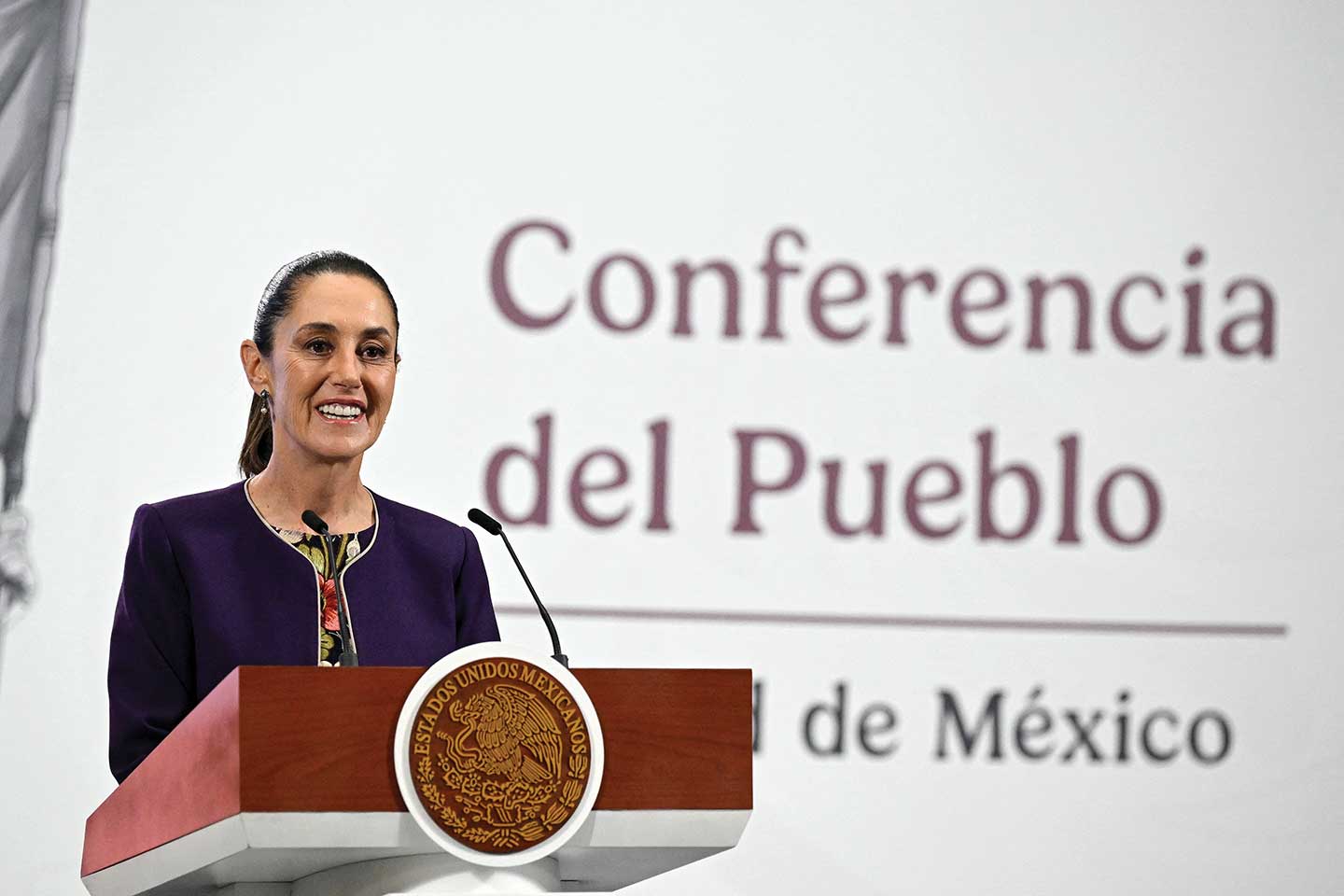
Mexican President Claudia Sheinbaum has been in office for more than a year, and her administration has demonstrated a willingness to confront transnational criminal organizations, or TCOs, and strengthen security along the country’s 3,145-kilometer border with the United States while retaining national sovereignty, a key principle of Mexico-U.S. relations. Already, observers of Mexico have noted successful operations against TCOs, including the powerful Sinaloa Cartel, and a renewed emphasis on intelligence gathering, shutting down cartel financial networks and cooperation with U.S. agencies. Sheinbaum has also moved 10,000 troops to the Mexico-U.S. border, which has seen illegal crossings plummet to their lowest level on record.
The new direction in Mexican security policy is a clear shift from the “hugs, not bullets” strategy toward cartels pursued by Sheinbaum’s predecessor, Andrès Manuel López Obrador, who left office in October 2024. Sheinbaum “has come in with a renewed energy to try and tackle organized crime. I think that comes from the fact that she recognizes that that insecurity is now a
No. 1 concern among the Mexican electorate,” said Henry Ziemer, an associate fellow in the Americas program at the Center for Strategic and International Studies (CSIS), a Washington, D.C., think tank. “She’s under more
pressure to deliver real tangible gains, and so I think she’s had a much more assertive posture.” A renewed focus on homeland defense and border security in the U.S. has also played a role. Sheinbaum has spoken regularly with U.S. President Donald J. Trump, who has praised her early performance on border security. “There will be continued cooperation on the Border as it relates to all aspects of Security, including Drugs, Drug Distribution, and Illegal Immigration into the United States,” Trump said in a Truth Social post on July 31 after he spoke with Sheinbaum. Sheinbaum characterized it as “a good call” in a post on X. Observers, including the U.S. president, have noted that while Sheinbaum has prioritized working closely with the U.S., she has firmly defended Mexico’s sovereignty and territorial integrity.
The changing nature of the Mexican-U.S. security relationship extends beyond presidential rhetoric. In recent months, both countries’ militaries and law enforcement agencies have worked closely together to intensify the fight against TCOs. In February 2025, U.S. Special Forces Soldiers traveled to Mexico to conduct training exercises for six weeks at the Mexican military base in San Luis Carpizo in Campeche state. Their arrival was approved by the Mexican Senate. Ziemer, the CSIS analyst, said the Mexican government’s openness to allowing U.S. troops on its soil, historically a problematic issue in Mexico, was a positive step in the relationship, while upholding Mexico’s sovereignty. “Approving this training in Mexico was trying to show that Mexico was willing to cooperate and willing to partner with the United States on security … but also making sure that it went through the appropriate channels … was still sending that message that ‘look, we are going to continue to do this by our rules.’”
Even more signs of cooperation abound. The California National Guard and the Mexican Secretariat of National Defense (DEFENSA) have announced that they’ve signed a letter of intent to work together under the State Partnership Program (SPP). They will collaborate on shared initiatives, including disaster response and joint training exchanges. The SPP is designed to strengthen enduring partnerships across the globe and build partner capacity.
In June 2025, officials from the U.S. Bureau of Alcohol, Tobacco, Firearms and Explosives met with Mexico’s Secretariat of Security and Civilian Protection in Mexico City. The roundtable, hosted by the U.S. State Department, brought more than 100 Mexican officials to meet with U.S. law enforcement representatives to discuss ways to curb arms trafficking.
The discussions culminated in the announcement of the “Mission Firewall: United Against Firearms Trafficking Initiative.” This initiative will disrupt illicit weapons trafficking across the Mexico-U.S. border. Key objectives include facilitating Mexico’s expansion of the use of eTrace and ballistic imaging technology to all 32 Mexican states, advancing information-sharing platforms and increasing bilateral investigations and prosecutions.
In another example of increasing military compatibility, Mexico announced the purchase of a C-130J-30 Super Hercules for the Mexican Air Force with a November 2028 delivery expected. Mexico will be the first operator of the Super Hercules among Latin American militaries. “It’s the closest security cooperation we’ve ever had, maybe with any country, but certainly in the history of U.S. and Mexico relations,” U.S. Secretary of State Marco Rubio said in a September 2025 joint Mexican-U.S. statement released after Rubio’s visit to the country.
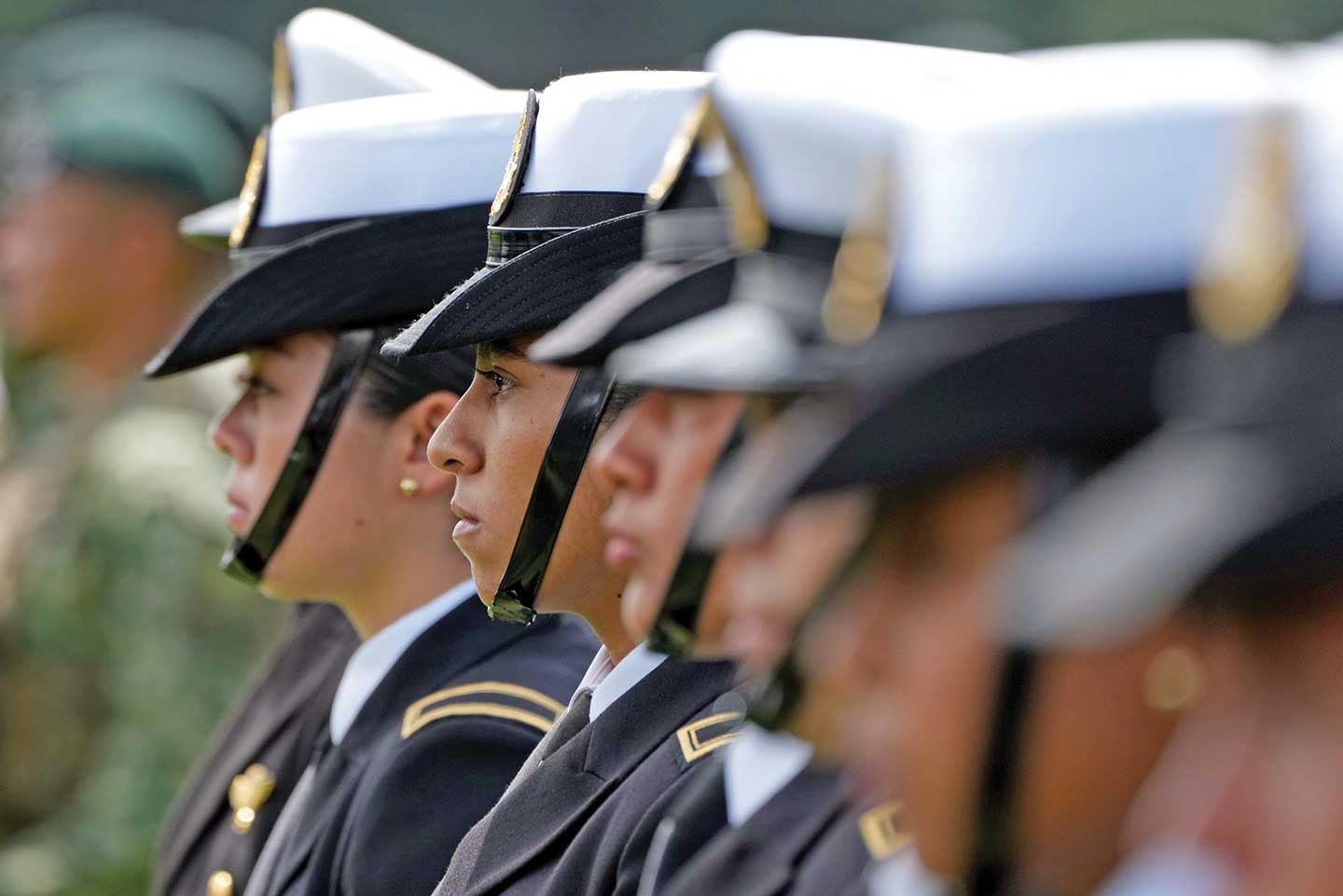
Mexican military forces and U.S. Northern Command (USNORTHCOM), along with other U.S. commands, also are focusing on information and intelligence sharing in counter-TCO exercises. The militaries have stepped up cooperative maritime interdictions and are achieving operational compatibility on a tactical level. Recent exercises include:
Joint Readiness Training Center Exercise: Brigade Combat Teams train at Fort Polk, Louisiana, to conduct large-scale operations on a decisive action battlefield against a near-peer threat with multidomain capabilities.
Tradewinds: U.S. Southern Command and U.S. allies conduct a Caribbean-focused, foreign military interaction, maritime interdiction, ground security and interagency field training exercise. The scenario focuses on counter-TCO operations to enhance regional collaboration, stability and threat response effectiveness.
Amalgam Eagle: The USNORTHCOM exercise focuses on the compatibility of U.S. and Mexican forces, using multiple scenarios to conduct air intercept and ground controller operations, execute command and control in air domain training, and conduct combined homeland defense operations.
Jaguar Strike: The USNORTHCOM exercise trains U.S. forces and partners in multiple training scenarios to conduct intelligence analysis and collection in support of tactical operations in a joint and binational environment. U.S. and partner nation forces work on operational support, maneuver, and command and control tasks.
Fuerzas Amigas: The USNORTHCOM exercise focuses on disaster response to build a military-to-military partnership between U.S. Army North and the Mexican military.
North American Maritime Security Initiative (NAMSI): The exercise tests NAMSI protocols during combined maritime security operations to increase regional compatibility, capacity to conduct operations with military law enforcement, military security operations, search and rescue activities, maritime disaster response and maritime environmental protection while operating at multinational or binational levels.
Operation Fenix: The USNORTHCOM-Mexico bilateral amphibious exercise tests maritime littoral operations, including maritime interdiction, air/ground planning, fire support planning, reconnaissance and surveillance, unmanned aerial systems operations and amphibious night operations.
Training to effectively counter TCOs is important, but degrading their ability to move and hide money can be just as detrimental to their operations. In June, the U.S. Treasury Department sanctioned three Mexico-based financial institutions it said helped launder millions in cartel cash. The measures “effectively cut off” the banks from access to U.S. financial markets. The Associated Press (AP) reported the move would shut down certain money transfers between the flagged banks and U.S. banks. CIBanco, Intercam Banco and Vector Casa de Bolsa were identified by U.S. officials as part of the continuing U.S. push to stem fentanyl smuggling. The banks “have collectively played a long-standing and vital role in laundering millions of dollars on behalf of Mexico-based cartels and facilitating payments for the procurement of precursor chemicals needed to produce fentanyl,” then-Deputy Treasury Secretary Michael Faulkender told reporters, the AP said. The Mexican government, notably La Unidad de Inteligencia Financiera (UIF), the country’s financial intelligence unit, has collaborated closely with Washington on this front. In May 2025, the Treasury Department announced sanctions against two Mexican nationals and three business entities associated with drug trafficking and fuel smuggling, an investigation involving UIF.
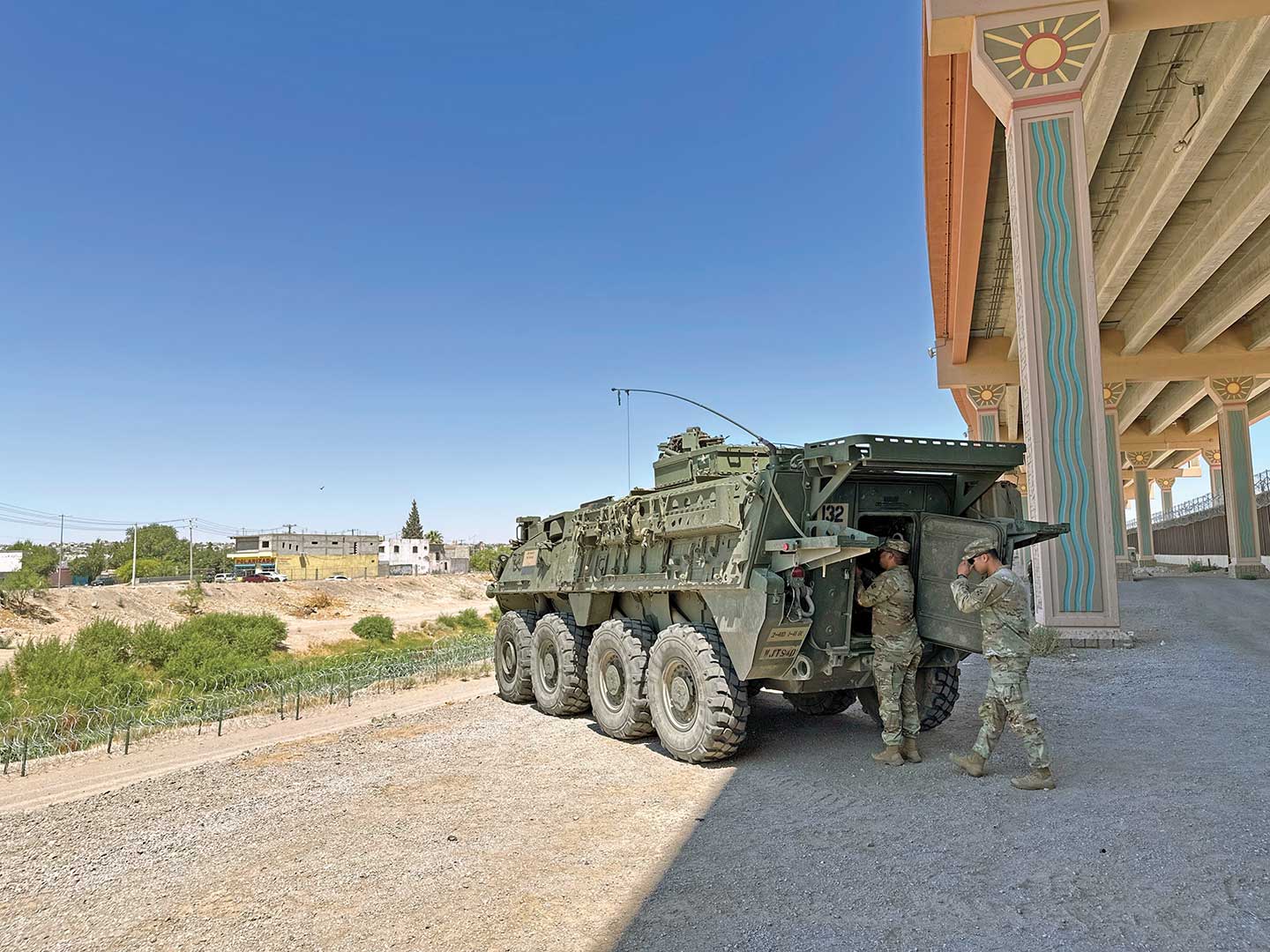
Special forces training and stopping weapons trafficking are only a part of the developing Mexico-U.S. strategy. Sheinbaum also has put boots on the ground, ordering 10,000 Mexican Soldiers to the U.S. border and moving aggressively against cartels, fentanyl production and illegal migration. This was bolstered by a similar number of troops on the U.S. side and an unprecedented shift of U.S. military resources to the border. In June, U.S. Customs and Border Protection announced just 25,228 total “encounters” nationwide, the lowest monthly figure in the agency’s history. Of those arrests, only 6,072 occurred along the southwest border — a 15% drop from the previous record low earlier in 2025.
In addition to increased military presence on the border, Mexico also has created an elite civilian investigative and special operations force to fight the TCOs. Intelligence gathering, Sheinbaum has said, is a key step toward weakening cartels. She has directed Omar García Harfuch, secretary of security and human protection, to establish the new National Operations Unit, known by its Spanish initials UNO. The unit was slated to have 800 members by the end of 2025 in three branches in different parts of Mexico, according to the AP. Harfuch gained international attention when he was the police chief of Mexico City for his success in tackling crime in the country’s largest city. Mexican officials told the AP that the unit was created to better support the increased attention to TCOs.
The most aggressive actions taken so far by Sheinbaum included militarized raids on TCOs, including two on the powerful Sinaloa Cartel, which funnels much of the fentanyl into the U.S. In December 2024, Mexican security forces confiscated a record amount of fentanyl in a series of operations targeting Sinaloa, announcing the seizure of 1,110 kilograms of fentanyl, the equivalent of about
20 million doses of the deadly drug. The raids also resulted in the arrest of two Sinaloa fentanyl cell leaders as well as the seizure of chemical precursors, scales and mixers, according to the Mexican government. In July, Mexican security forces destroyed two drug labs and seized nearly 5,000 kilograms of methamphetamine in Sinaloa. The operation, conducted by elements of the Mexican Navy, National Guard and other security forces, also captured chemical precursors and other equipment totaling nearly $70 million.
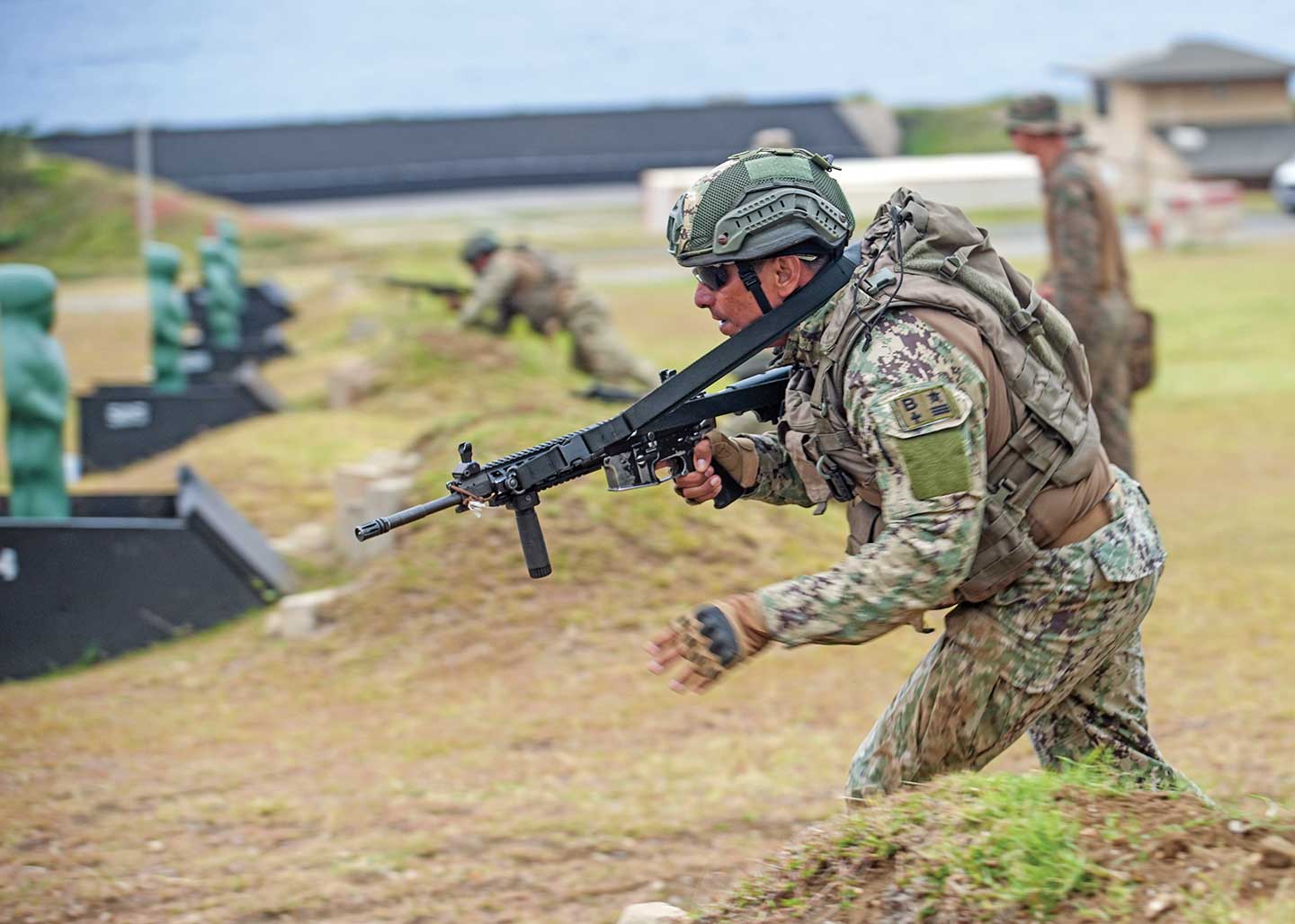
Mexican and U.S. pressure on the cartels has yielded results. “We’ve seen a lot more seizures of fentanyl … we’ve seen a lot of dramatically reduced migration numbers at the U.S. border, which means that forces on both sides of the border can allocate more time to narcotics interdiction, so I think that’s an important dynamic,” Ziemer, the CSIS analyst, said.
Much of the recent collaboration has grown from long-standing relationships between the Mexican and U.S. militaries. Staff talks are routine and have ramped up since USNORTHCOM has expanded operations at the border and maritime approaches. Senior military leaders from Mexico and the United States met in May and June to coordinate strategy and deepen ties. The Mexican secretaries of national defense and the Navy visited USNORTHCOM headquarters in Colorado Springs, Colorado. In May, the commander of the Mexican Army met with the U.S. Army South’s commander in Tucson, Arizona, along with 60 senior military officials representing both countries. “This visit reflects the enduring trust and open communication between our nations’ militaries,” USNORTHCOM and North American Aerospace Defense Command Commander Gen. Gregory M. Guillot said at the June event in Colorado. “Mexico is an essential partner in the defense of North America, and engagements like this ensure our efforts are aligned and effective.”
Senior military officials from Mexico and the U.S. also gathered in May in Tucson to hone strategies to combat TCOs. Gen. Norberto Cortés Rodríguez, then commander of the Mexican Army, said “this mechanism will improve the coordination and cooperation to confront transnational criminal organizations, and highlights the importance of strengthening relations between both armies,” according to a U.S. Army news release.