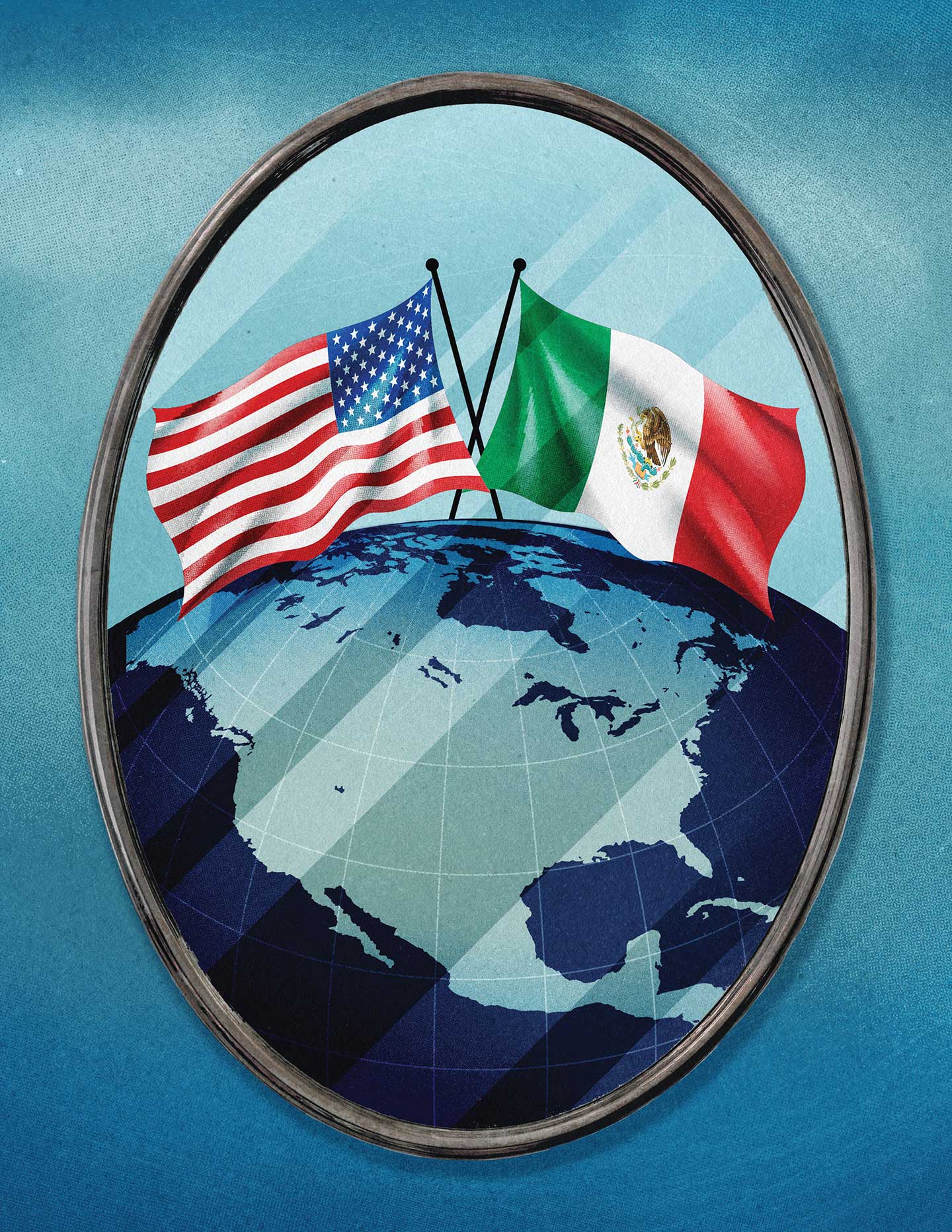
Mexico shares political, economic and social interests with the United States, as well as challenges primarily related to regional security and defense. In November 2016, Mexico, through the Secretariat of National Defense (DEFENSA), established with U.S. Northern Command a mechanism called the Bilateral Military Cooperation Roundtable (BMCR). This formal and efficient mechanism allows for military cooperation in accordance with the vision, objectives and strategic priorities of the constitutional principles of Mexico’s foreign policy and with the approval of the Secretariat of Foreign Affairs.
The objective of the BMCR is for the armed forces of both countries to achieve operational compatibility as defense partners and to strengthen cooperation in the protection of North America. This mechanism is aimed at addressing issues and matters of mutual interest, such as force development, training, capability, regional security and defense of North America, as well as border security.
The roundtable operates through border commander boards, regional border commander boards and border contact meetings at the military zone level between personnel from DEFENSA and their counterparts from U.S. Army North and representatives of U.S. security agencies. This also allows for the exchange of information to improve security cooperation along the Mexico-U.S. border to coordinate efforts to inhibit organized crime, including drug, arms and money trafficking through concurrent, mirrored operations.
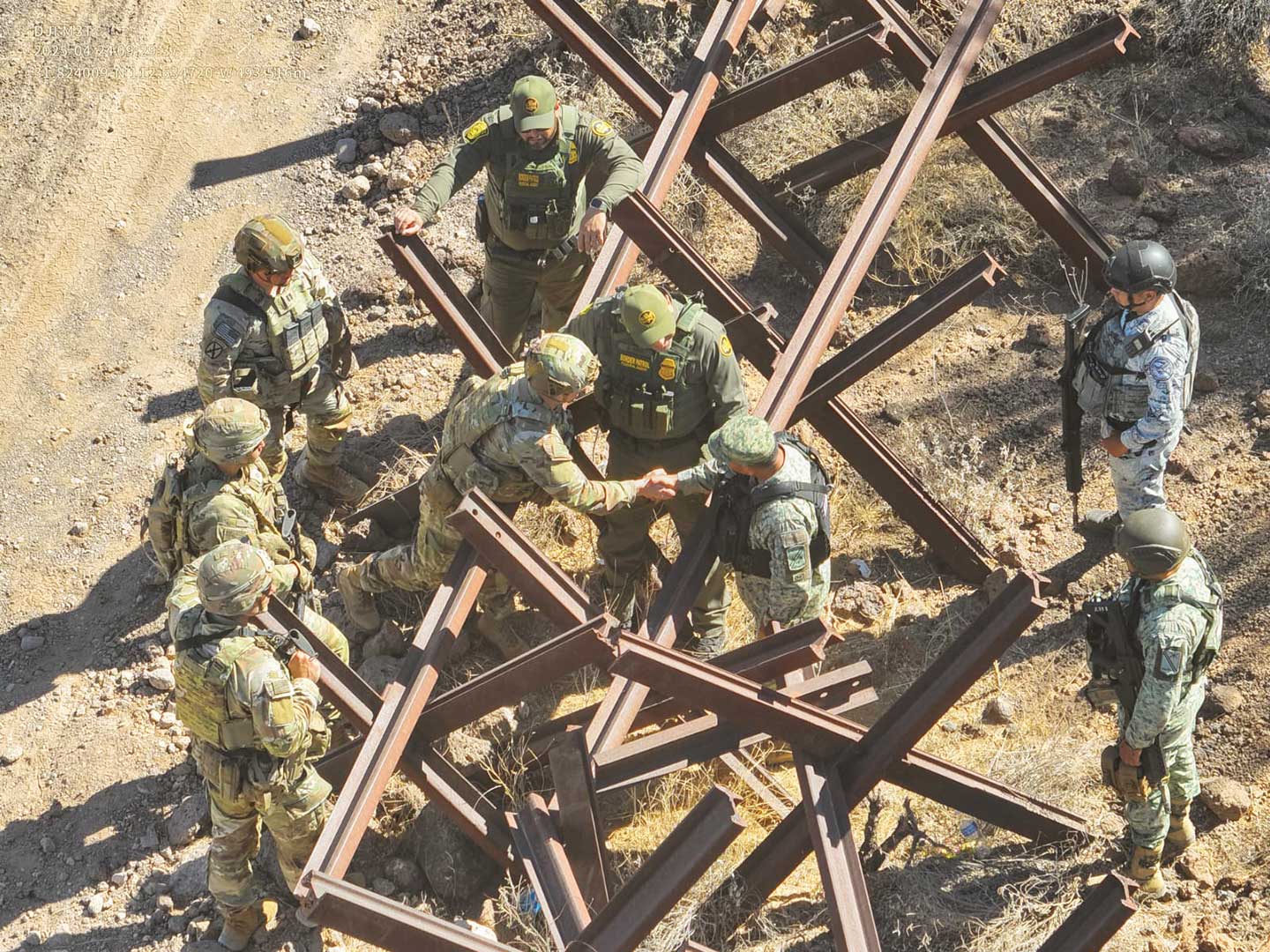
Concurrent ground and air operations are simultaneous and coordinated actions carried out by military units of the Mexican Army, Air Force and National Guard in coordination with personnel from Joint Task Force-Southern Border and the U.S. Border Patrol. Each force operates within its own territory, respecting the authority and interests of both countries.
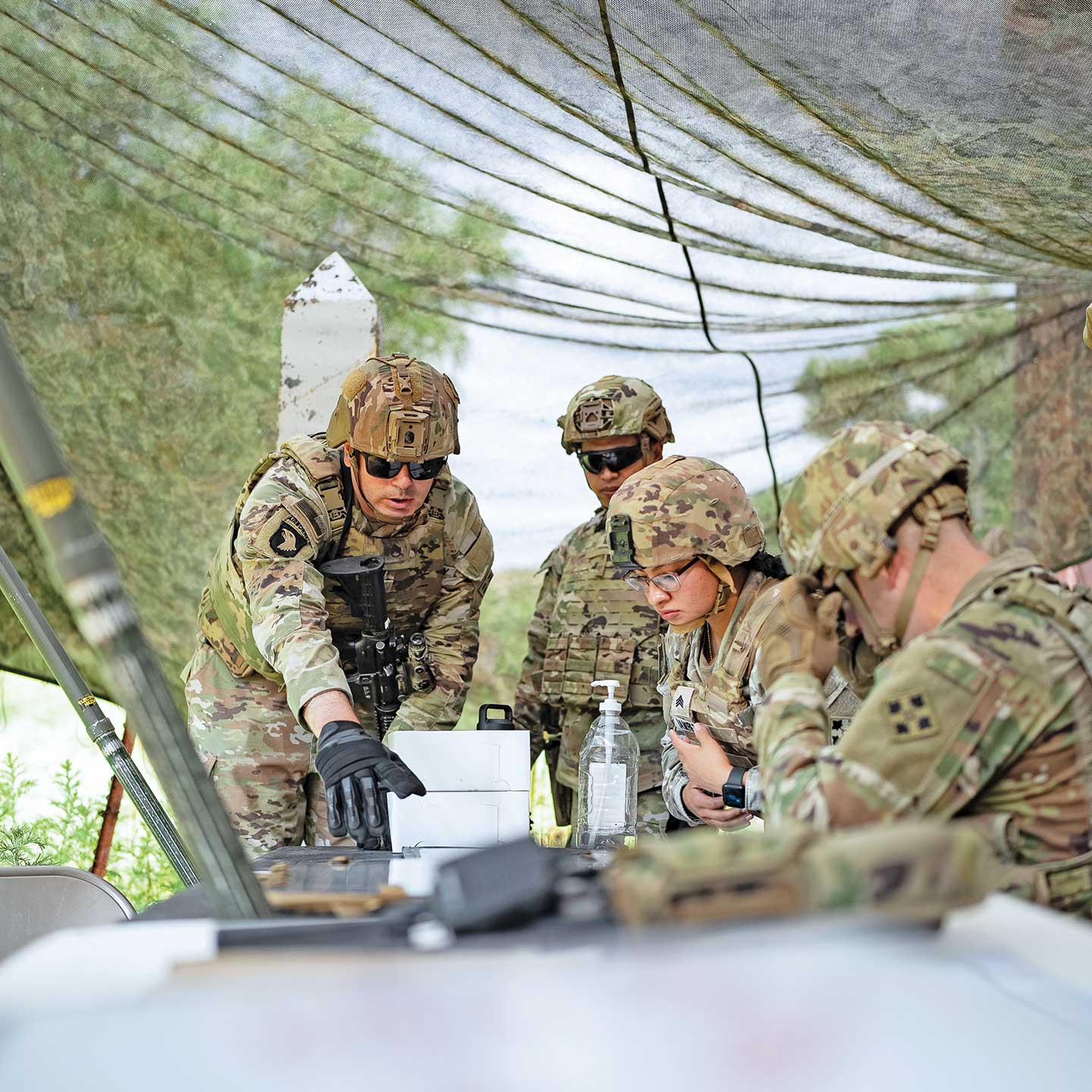
These operations serve to exchange intelligence, inhibit the activities of transnational organized crime and cooperate in common border security objectives. They are carried out under the principles of reciprocity, shared and differentiated responsibilities, and mutual trust and respect for sovereign decisions and territories. Their purpose is to dismantle organized crime surveillance points, stop the crossing of irregular migrants, and prevent the trafficking of drugs to the U.S. and weapons to Mexico.
Bilateral military cooperation is strategic for both countries. This type of mechanism has made it possible to implement actions that reduce crime along the border, limit the operational capacity of transnational criminal organizations and promote cooperation on security matters along the shared border. Strengthening bilateral relations demonstrates the commitment to jointly curtail transnational organized crime and protect the national interests of both countries.